Who translates Zooniverse?

All Zooniverse projects are created in English. But many of them are available in different languages – from Armenian and Chinese to Korean and Hungarian. Here is the latest list of translated projects.

The truth is, everyone can become a translator on Zooniverse! But how do you do that? We talked with some of our amazing volunteers who helped various research teams to translate their projects, and here is what we’ve learned.


Zooniverse translators come from all walks of life

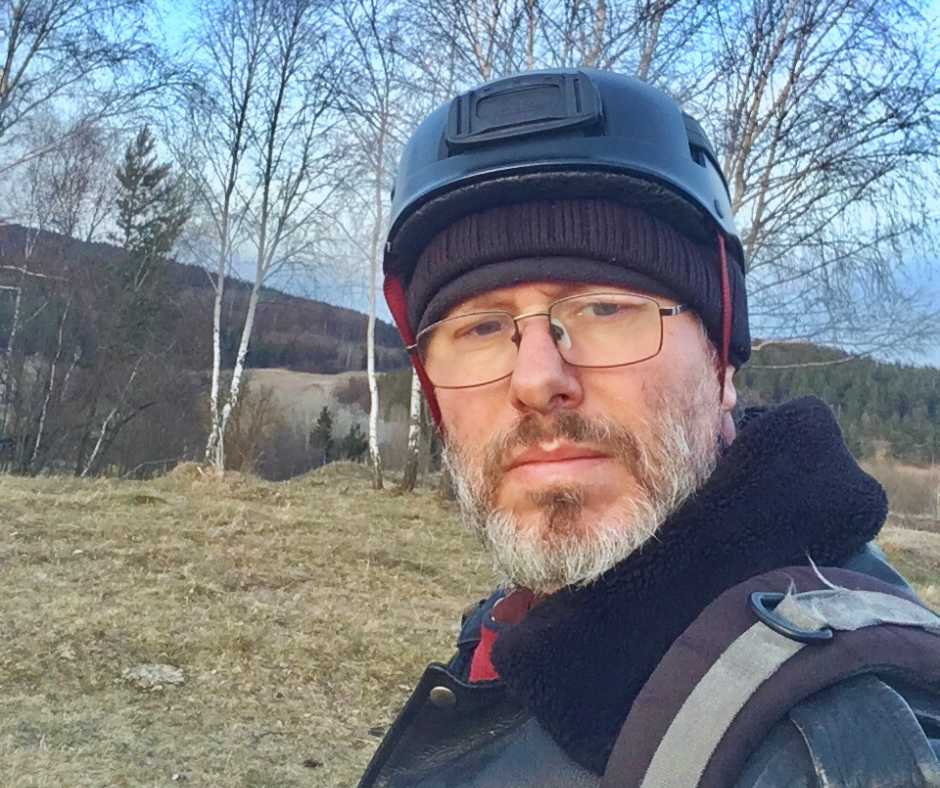
Jiří Podhorecký (@trendspotter) lives in Cesky Krumov, a small beautiful town in the Czech Republic. He works in tourism and spends most of his free time supporting various IT projects focusing on ecology, nature conservation and virtual volunteering. Translating the Zooniverse platform and projects into Czech is one of these projects.

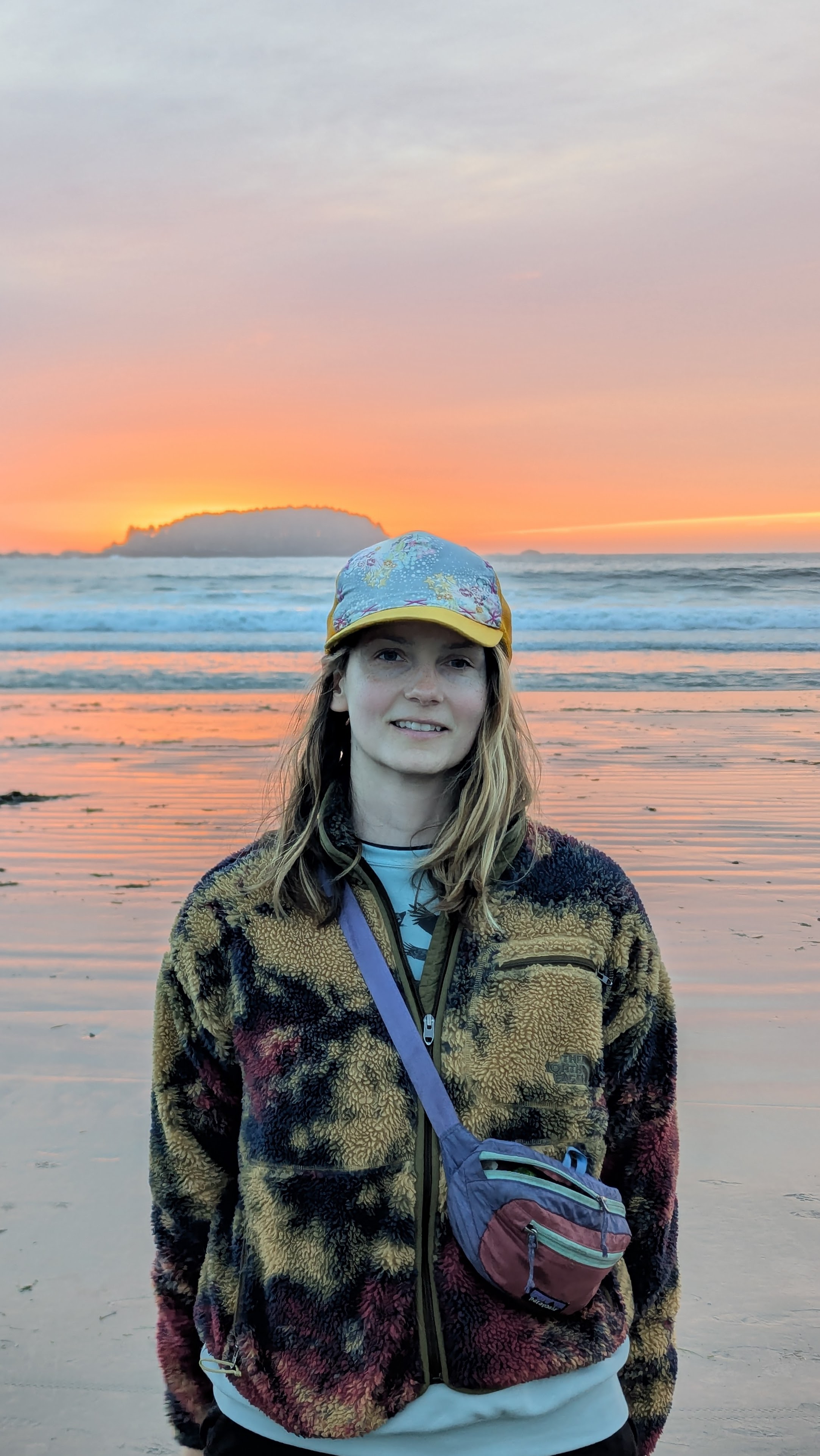
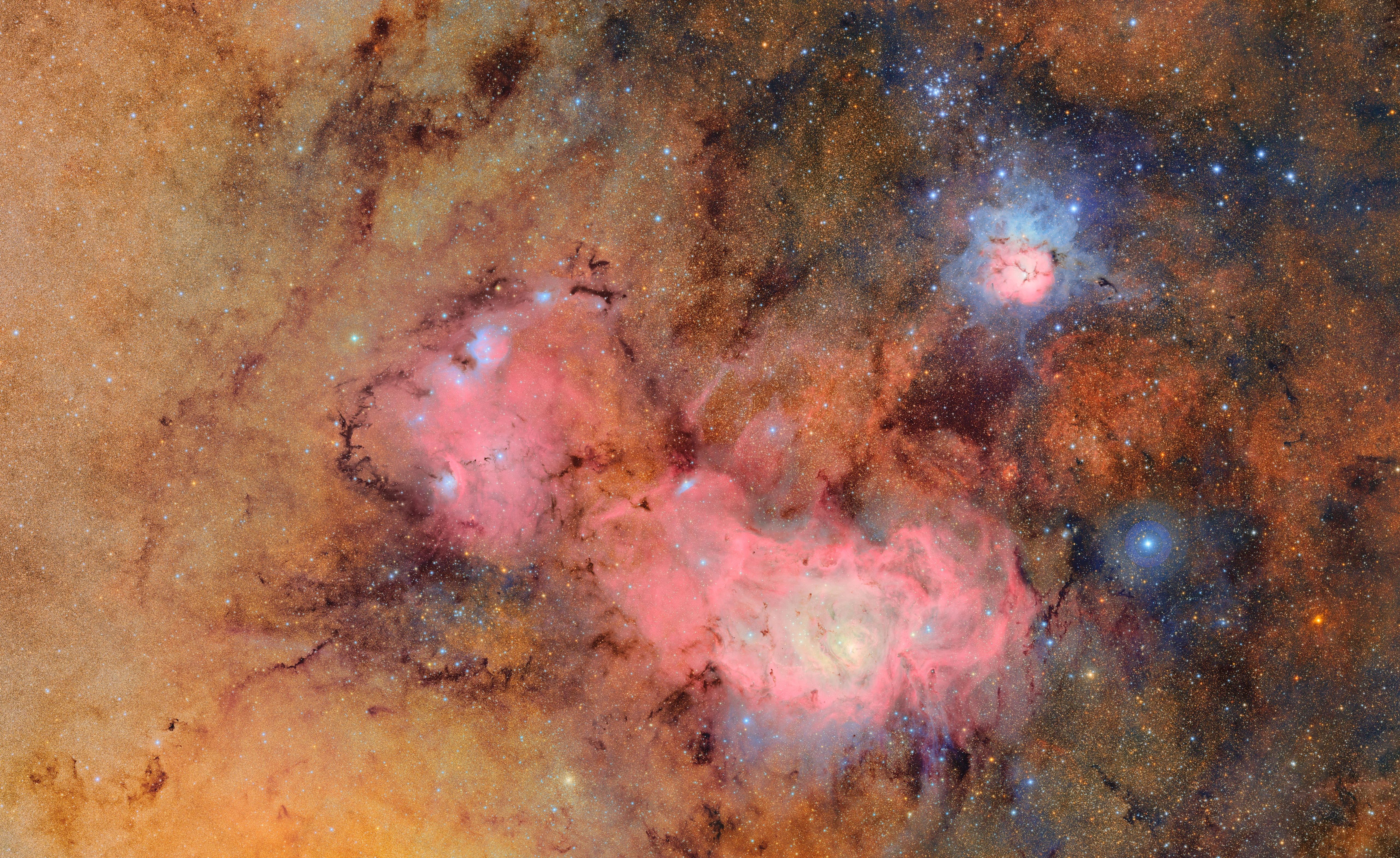
InoSenpai (イノ先輩) is a citizen scientist in her 20s in Japan. She studied astronomy in college, but now has another job. She has translated more than 30 Zooniverse space projects into Japanese and she even created a blog in order to introduce them to the Japanese people.

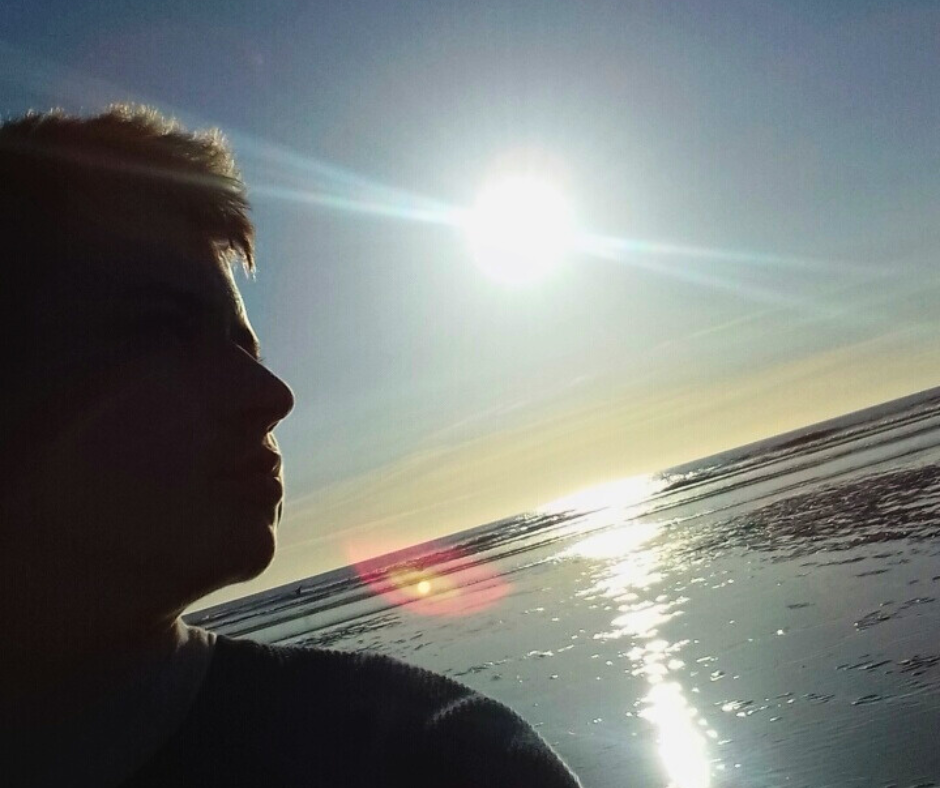
Aarush Naskar (@Sunray_2013) from India is the youngest translator on Zooniverse! He is an amateur astronomer. Story writing, sky watching, reading and coding are his main interests. 

Jason Richye is an international student from Indonesia. He is 18 years old and is a business major student. His hobbies are playing basketball, listening to music and watching movies, especially action, comedy and horror.

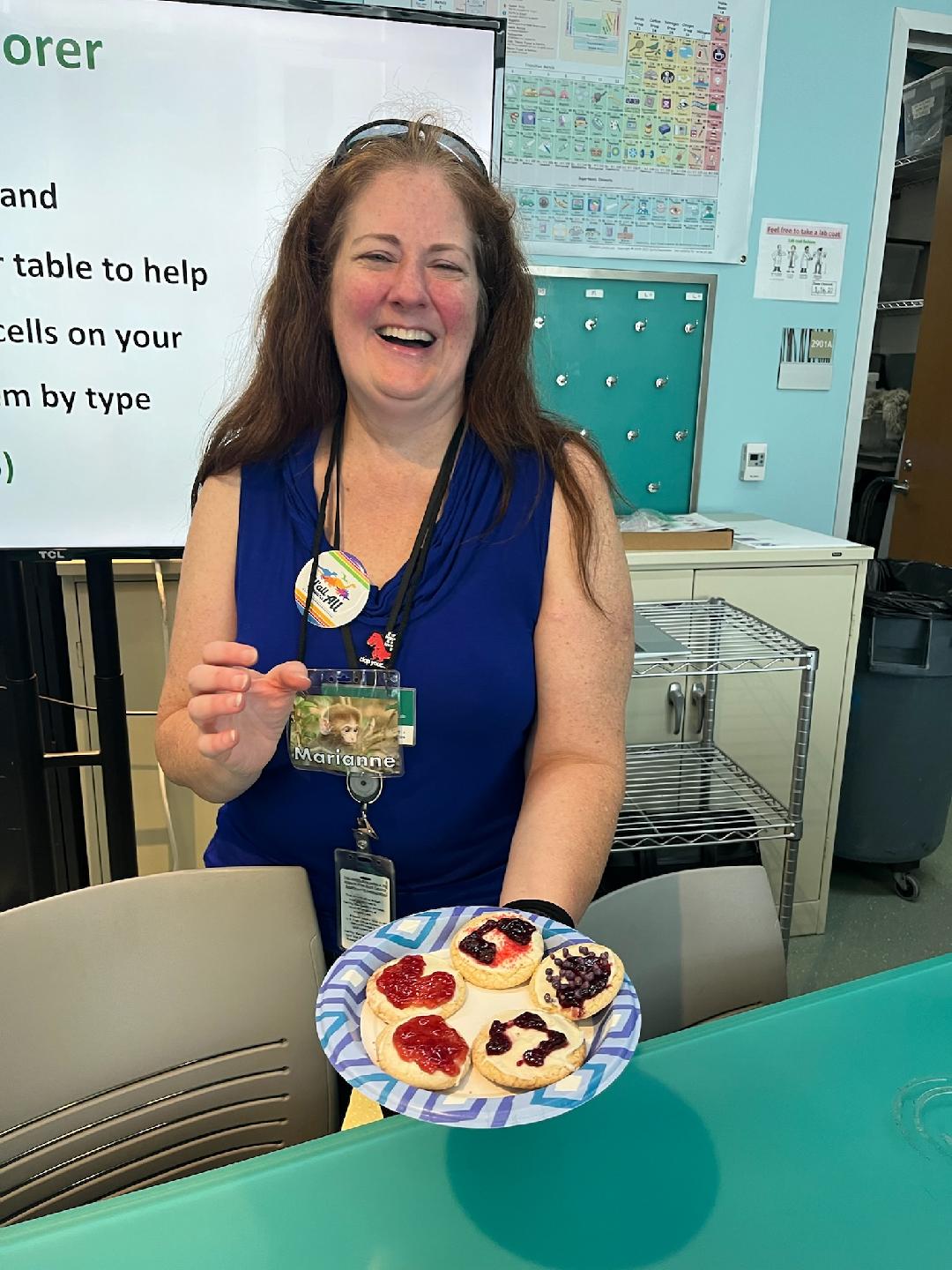
Louis Verhaeghe (@veragon) is a young French electrical technician passionate about astronomy and astrophysics. As an amateur astronomer, he loves immersing himself in the vastness of the universe and gaining a deeper understanding of what surrounds us.  In September 2024, he reached a major milestone: more than 50 projects fully translated into French! 

Aarush Naskar (@Sunray_2013) from India is the youngest Zooniverse translator

They translate to help more people discover Zooniverse

Jiří: “I wish that once in the future the whole Zooniverse was available to people in my language. I think that there is a huge and untapped potential in people of all ages, but especially in young people, to build a positive relationship with the world around us and to contribute to it in some way. Citizen science can be an enjoyable and unencumbered contribution to the community that will eventually process this citizen science into real science.”

イノ先輩: “Since Zooniverse is not well known in Japan, I am currently working as a Japanese translator for a number of projects to create a foundation for Japanese users to participate in Zooniverse without feeling any barriers.”

Aarush: ”I was attending a citizen science seminar hosted by the Kolkata Astronomy Club, which my father is the co-founder of, so naturally, I was also a part of it, when I heard about a boy who translated Einstein@Home: Pulsar Seekers to Bengali, so I decided to translate projects to Hindi. I know both Hindi and Bengali, but I am more comfortable with Hindi in terms of writing. It also motivated me that if I translated projects, more people would be able to do them. I also did it thinking I would know more Hindi words.”

Jason: “I’ve always wanted to be part of a research project and contribute in a meaningful way, even in a small role. When I saw one of the translation projects last winter in 2024, I remember feeling genuinely excited. I thought, “This is something I could actually help with.” So when I had the chance to volunteer, I was happy to be involved. Translating made me feel like I was part of something bigger, helping bridge gaps and support the research in a real, practical way.”

Louis (@veragon): “I have been contributing to the Zooniverse platform for almost nine years now. Initially, between 2017 and 2019, I focused exclusively on classifying images and scientific data. In fact, I have surpassed 12,900 classifications! But in late 2019, as my English improved, I asked myself: why not translate projects into French? This would allow more French speakers to get involved in citizen science and contribute to various research initiatives.

It is an immense source of pride for me to contribute, in my own way, to making science more accessible. It is important for me to translate these projects because science should be open to everyone. Many research projects rely on public participation, but the language barrier can be a major obstacle. By translating these projects, I enable thousands of people who are not fluent in English to contribute to scientific research. And the more participants there are, the more high-quality data researchers can gather. It’s a virtuous cycle!”

Louis Verhaeghe (@veragon) translated more than 50 Zooniverse projects into French

Translation expands your knowledge


Aarush: “It is funny that I make a lot (not that many!) mistakes when writing Hindi in real life but I make only some mistakes while translating.”

Jiří: “Fortunately for me, the process is already quite easy, not least because information technology helps us all to get in touch today. The enriching part is always the beginning, when you need to dig into the philosophy of the project and understand how best to use language to express yourself accurately.”

イノ先輩: “I love astronomy, but it has been difficult to love and have knowledge of all of this entire broad field equally. I have always been interested in the classification of light curves of variable stars and how to read radar observation data of meteors, but I had avoided them because they seemed difficult, but I was able to learn them in one week through translation.

The process of grasping all of that content in one’s own brain, reconstructing it in one’s native language, and outputting it is far more effective than simply reading and learning.”


And it makes you realise that your efforts really matter!

イノ先輩: “It is not only the light side of the researcher that we see when we do translations. Unfortunately, we also encounter projects that have been abandoned due to lack of bearers.

Behind this may be issues such as the reality of researchers being chronically overworked and the instability of their posts. But it is not only the beautiful and exciting top part, but also the glimpse into a part of the research project that makes us realize that we are not customers or students, but co-members of the project.”

Jiří: “Citizen science knows no boundaries! You can be all over the world. And it will give you back a strong sense of meaningful help, usefulness, confidence and joy.”

Jason: “You don’t need to be an expert to make a difference.”

Louis: “Together, we can make science more accessible and understandable for everyone. Every contribution matters, and the more of us there are, the greater our impact!”

Jiří Podhorecký (@trendspotter) wishes that once in the future the whole Zooniverse was available to people in Czech.

We asked if they had any advice for aspiring translators

Jason: “Take your time, ask questions, and focus on clarity. It’s a fun way to learn and be part of something meaningful.”

イノ先輩: “Add a bit of playfulness to your project title when you rewrite it in your native language! Mix in parodies and phrases that are unique to the respective cultures of each linguistic area, but only to the extent that they do not detract from the essence of the project. The title of the project may be the reason why some people are interested in it.”

Louis: “If you believe you have a good enough understanding of the languages you’re translating, then go for it! Reach out to various projects that haven’t been translated into your language and offer to translate them. Help us make science more accessible to the entire world!”

Jiří: “Your translation will make it easier for people who may know a foreign language, but whose native language is still closest to them. Without it, they would hardly, if ever, know about the Zooniverse. Oddly enough, language and territorial barriers sometimes serve more as a tool to better divide society. Don’t give up and bring foreign ideas, experience and science to people who need to learn about it in their own language.”

It is easy to start!

Louis: “I started my first translations by directly reaching out to project leaders and offering to translate their projects into French. Over time, I learned how to use Zooniverse’s translation tool, which turned out to be quite intuitive. This approach allowed me to better understand the process and refine my working method.”


Are you interested in volunteering as a Zooniverse translator?

Then you should definitely try it! Here is how:

1. Choose the project you would like to translate

2. Send a message to one of the research team members (privately or on their Talk)*

3. They can then assign you the Translator role

4. After that, you can log into the Zooniverse translation interface and start translating!

5. When you are done, let the team know and they will activate your translation to be visible for everyone on Zooniverse!

*An example of a message: “Hello! I’ve enjoyed working on your project (title) and would love to help translate it into (language). Do you think it could be useful? If so, please assign me the Translator role and I will give it a try!”


Are you a researcher looking to set up translations for your project? Please read these instructions. Contact us at contact@zooniverse.org if you need additional support. Please note that the Zooniverse team cannot recommend volunteers translators for your project.

Vera Rubin Observatory: “First Look” Into The Cosmos

Highlights

The Vera C. Rubin Observatory is a powerful new facility high in the dry Chilean mountains. Today, on 23 June 2025, for the first time, it is releasing images from its Legacy Survey of Space and Time camera. At 3200 megapixels, this largest camera ever built will allow us to see the universe in a new way. And with Zooniverse, everyone can join and help with discoveries!

Read on to learn more.

NSF-DOE Rubin Trifid and Lagoon Nebulas.
Image credit: NSF-DOE Vera C. Rubin Observatory

The “First Look”: The new way of viewing the sky


The first images from the NSF–DOE Vera C Rubin Observatory, our new eye on the sky based high in the Chilean desert, have been released today. The culmination of more than a decade of effort by a team of engineers and scientists, these glimpses of what this new instrument is capable of mark the start of a new way of viewing the sky – and Zooniverse will be a significant part of it. The Observatory’s Legacy Survey of Space and Time (LSST) will start soon, producing data at a scale that means the efforts of volunteers to sort through it and make discoveries will be invaluable.

The images featured in today’s ‘First look’ event were taken by the observatory’s mighty LSSTCam, the instrument which will be the observatory’s workhorse for the next decade and at 3200 megapixels the largest ever built, will manage. They provide a glimpse into the new survey’s ability to catch the changing sky, tracking millions of new asteroids and discovering thousands of supernovae, as well as more exotic and hopefully unexpected events.

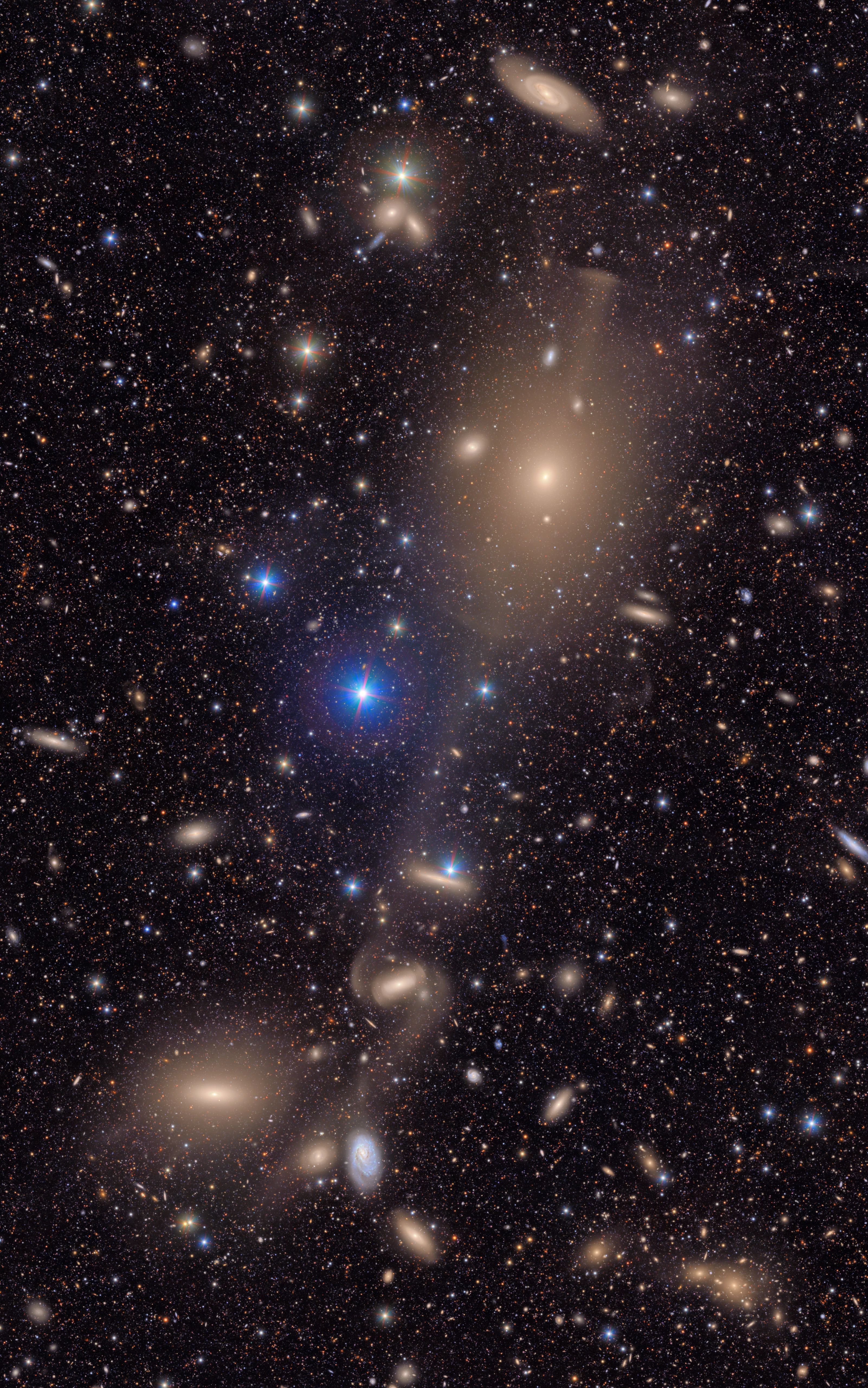
NSF-DOE Rubin Virgo cluster 2.
Image credit: NSF-DOE Vera C. Rubin Observatory

Vera Rubin Observatory images on Zooniverse

These images are a significant milestone, and all of us at Zooniverse congratulate our partners in the international LSST collaboration on getting here. In the near future – hopefully in just a few days – scientists will get their hands on a first tranche of testing data and, because Zooniverse is a core part of their plans, we should expect to see the first citizen science projects launch shortly thereafter. Once the survey itself gets going later in the year, and when the first of the annual data releases happens next year, we should see a steady flow of Rubin data in Zooniverse projects old or new.

NSF-DOE Rubin Virgo cluster 1.
Image credit: NSF-DOE Vera C. Rubin Observatory

Be part of discovery

Whenever astronomers have found a new way of looking at the sky, and thereby opened up a new window on the Universe, we’ve been surprised. A survey of the whole sky, carried out with a telescope that’s the equal of any in the world, and with an immensely sophisticated camera and software pipeline to match, definitely counts. Join us in this first look at the Rubin Observatory sky – and then hang on. We’re all on what looks set to be a fantastic, decade long voyage of discovery.

Find your project on Zooniverse: https://www.zooniverse.org/projects

Learn more about us and stay in touch: https://linktr.ee/the.zooniverse 

Who’s who in the Zoo – Ameenat Lola Solebo

In this edition of Who’s who in the Zoo, meet Ameenat Lola Solebo who leads Eyes on Eyes ; a Zooniverse project that aims to improve how we monitor children with a blinding eye disorder.


Who: Ameenat Lola Solebo, Clinician Scientist (Paediatric Ophthalmology / Epidemiology & Health Data Science)

Location: UCL GOS Institute of Child Health and Great Ormond Street Hospital

Zooniverse project: Eyes on Eyes

What is your research about?

We’re asking Zooniverse volunteers to label eye images of children with or at risk of a blinding disease called uveitis. Early detection of uveitis means less chance of blindness, but it is becoming increasingly difficult for children to access the specialised experts they need to detect uveitis at an early stage (before the uveitis has caused damage in side the eye). New ‘OCT’ (eye cameras) may provide detailed enough images of the eye to allow even non specialists to detect uveitis at the early stages. Our research studies develop and evaluate OCT methods for uveitis detection and monitoring in children, and during these studies we collect a lot of data from children’s eyes – sometimes several hundred scans in different positions just from one child. We are hoping that we don’t need to keep on collecting this many images in the long run, but we have to know where and how best to look for problems.

How do Zooniverse volunteers contribute to your research?

Zooniverse volunteers are asked to label scans in different ways. They can tell us what they think of the quality of an individual scan – is it good enough to be useful? They can point out which features of the scan are making it poorer quality so that we can judge how useful it might be. They can draw regions of interest on the scan, helping to focus attention. They can also pick up the signs of uveitis – inflammatory cells floating around in the usually dark space inside the eye, looking like bright stars in a dark sky. They can tell us if they can see cells, how many cells they can see, and they can locate each cell for us. The quality judgements submitted by the volunteers have compared favourably to expert judgement, which is great. We have since developed a quality assessment algorithm based on labels from the Zooniverse volunteers. We are now looking to just how accurate the volunteer assessments of the images are compared to the clinical diagnosis of the child.

What’s a surprising fact about your research field?

Uveitis is often autoimmune, meaning your body turns against the delicate tissues in your eye — especially the uvea, a highly vascular layer that includes the iris. It’s like friendly fire… which is such an awful term, isn’t it?

What first got you interested in research?

I was tired of answering “we don’t know” when parents asked us questions about their child’s eye disease.

What’s something people might not expect about your job or daily routine?

Someone asked me how I put back the eye after doing eye surgery – ophthalmic surgeons do not, I repeat do not remove the eye from patients to operate on them! Also – I think that people may be surprised about how beautiful the eye looks when viewed at high mag. Ophthalmologists use a microscope called a slit lamp to look at and into a patient’s eye. The globe is such a fragile, well constructed, almost mystical body part, and vision is practically magic!

Outside of work, what do you enjoy doing?

I recently started karate. I am by far the oldest white belt and I am really loving making the KIAI! noises.

What are you favourite citizen science projects?

The Etch A Cell projects, because I learnt so much how to run my own project from that team and Black hole hunters, because they are great at describing what they have done with volunteer data.

What guidance would you give to other researchers considering creating a citizen research project?

Do it! And do it on Zooniverse, because the community is super engaged and the back of house team are so supportive. Stay active on talk boards to engage volunteers. And test, refine, test, refine your project until you start seeing it in your sleep.

And finally…

Thank you to all the volunteers who have been helping us!

Creating accessibility guidelines for neurodiversity in digital citizen science

We are happy to announce that Zooniverse’s project proposal – Neuro(Minorities)Science working group – has been selected for the IMPETUS accelerator funded by the European Union’s Horizon Europe research and innovation programme under grant agreement number 101058677. This means that Zooniverse Neurodiversity Task Force can now continue its important work.

From June 2025 through January 2026, we will facilitate an online working group of neurodivergent citizen scientists and allies. Together, we will brainstorm, create and publish accessibility guidelines to empower people with all kinds of brains to participate more comfortably in crowdsourced research.

We encourage you to join this new online working group if you:

  • have experience with online citizen science,
  • consider yourself neurodivergent or are a neurodiversity ally,
  • are 18 years old or older,
  • can communicate in basic written English,
  • interested in improving accessibility of citizen science for people with
    mental health and neurological conditions and differences,
  • can volunteer at least 2 hours of your time (online, flexible) before 16 January 2026.

Sign up now (1 minute): https://www.jiscmail.ac.uk/cgi-bin/wa-jisc.exe?SUBED1=NEUROMINORITIES&A=1

Join the first brainstorming session (5-10 minutes, open until 1 July 2025): https://app.onlinesurveys.jisc.ac.uk/s/oxford/neuro-minorities-science-survey-1

Please note that, for this call, we welcome participants from all online citizen science projects, not only Zooniverse. All active contributors will be acknowledged in the resulting publication.

No special knowledge is needed. All work is virtual and asynchronous. We are looking forward to working with you all on this important cause!


More information and FAQ: https://apreleva.com/neuro-minorities-science

Join discussion on Talk: https://www.zooniverse.org/talk/2354/3388012?comment=6042593

Questions can be addressed to neurodiverse@zooniverse.org

​​Ethical Considerations for Machine Learning in Public-Engaged Research

Highlights

  • With support from the Kavli Foundation, the Zooniverse team is launching a project to help us develop a set of recommendations for running Machine Learning (ML) and Artificial Intelligence (AI)-engaged projects on the Zooniverse platform.
  • The project will bring together subject matter experts, Zooniverse leadership, and platform participants in a series of workshops and working sessions.
  • The project deepens partnerships among Zooniverse and its participant community, as well as the Kavli Institute for Cosmological Physics, UC-Berkeley Kavli Center for Ethics, Science, and the Public, and the SkAI AI Astro Institute. 
  • Zooniverse participants have an opportunity to get involved and follow along in a number of ways!

Developing recommendations for ML/AI projects on Zooniverse

As ML/AI has become more prevalent—now in about ⅓ of Zooniverse projects—it has sparked a range of reactions on the Talk message boards within the participant community, reflecting broader societal discourse. Zooniverse participants have surfaced concerns and insights on issues like ownership, agency, transparency, and trust. It is crucial to address the risks, opportunities, challenges, and broader ethical questions. 

In response, we developed a project to create a set of recommendations for running ML/AI-engaged projects on the Zooniverse platform. In this project we will explore the tensions of integrating ML/AI within online public-engaged research. We hope that these recommendations will also be useful for related fields incorporating ML/AI in public-engaged research processes. 

Collaborative workshops

With funding from The Kavli Foundation, this project will bring together Zooniverse leadership, platform participants, researchers, and experts in topics like communications, ethics, law, and ML/AI in a series of workshops and working sessions. The project deepens partnerships among Zooniverse and its participant community, as well as the Kavli Institute for Cosmological Physics, UC-Berkeley Kavli Center for Ethics, Science, and the Public, and the SkAI AI Astro Institute.

Workshop themes cover topics raised by Zooniverse participants and project research teams as well as gaps in existing knowledge, resources, and guidance. 

  • Workshop 1 (June) will focus on Transparency and Communication Best Practices. It will inform guidelines that will support researchers in effectively communicating with participants when integrating ML/AI into their public-engaged research projects. 
  • Workshop 2 (July) will cover Ethical Approaches to ML/AI. It will invite discussions that explore and identify foundational elements of an ethical approach to ML/AI-focused public-engaged research, addressing risks while leveraging opportunities. 
  • Workshop 3 (August) will focus on Deepening Contextual Understanding. It will expand on the ethical considerations raised in Workshop 2 by examining a matrix of factors including disciplinary differences, task type affordances, and the varied needs of stakeholders (e.g., researchers, participants, platform maintainers). We anticipate that ethical principles may at times conflict within this matrix, making it essential to foster a shared understanding of how, why, and when we will draw from different elements as we develop these recommendations. 
  • Workshop 4 (September) will consider Downstream Data Protection. It will inform recommendations for licensing frameworks to use with public-engaged research data outputs that align with platform values, particularly in relation to projects that incorporate ML/AI. 

Call to action: We want you to participate!

Zooniverse participants have an opportunity to get involved and follow along in a number of ways:

1. Help shape the future of ML/AI and public-engaged research. Options include:

  • Complete four short surveys throughout the duration of the project, starting with this one.
  • Survey responses will be considered as we draft the recommendations for running ML/AI-engaged projects on the Zooniverse platform.
  • We’ll also be reaching out to a subset of our community about participating in the workshops.

2. Follow along:

  • We’ll be posting updates on Talk and on our Zooniverse blog during the process, and project results will be shared broadly.
  • You can opt in to receive project updates by completing the first survey here.


Who is running this study? The Project Director is Dr. Samantha Blickhan, Zooniverse Co-Director and Digital Humanities Lead.

Who is funding this research? This research is funded by the Kavli Foundation.

How can I contact the team? Questions can be addressed to hillary@zooniverse.org or samantha@zooniverse.org

Who’s who in the Zoo – Dr Travis Rector

Ever wondered what a Herbig-Haro object is? Find out in our latest edition of Who’s who in the Zoo with Dr. Travis Rector!


Who: Dr. Travis Rector, Professor

Location: University of Alaska Anchorage

Zooniverse project: Baby Star Search

What is your research about?

We are looking for Herbig-Haro (HH) objects, which are jets of gas produced by newly-forming protostars. They are important because they can show us where stars are forming right now. HH objects are quite beautiful and rare – only about a thousand of them are known to exist!

How do Zooniverse volunteers contribute to your research?

We are searching for HH objects in giant clouds of gas inside our galaxy using the Dark Energy Camera (DECam) on the Blanco 4-meter telescope at the Cerro Tololo Interamerican Observatory in Chile. The images produced by this camera are huge – 570 megapixels each – and are too big for a single person to look at. That’s where Zooniverse came in. We divided each image into smaller, 512×512, “cutouts” for people to search. We’ve completed the analysis and Zooniverse volunteers found 169 new HH objects! Considering only about 1200 were known to exist before this is a big increase.

What’s a surprising or fun fact about your research field?

Jets of gas occur in our universe on a wide range of scales. All of them are produced when gas is swirling around a central object. In the case of Herbig-Haro objects the jets are produced by gas moving around a protostar. These jets can extend over several light years. Jets are also produced by gas swirling around black holes. In quasars, these jets are powered by “supermassive” black holes and the jets produced can extend for several hundred thousand light years. What’s amazing is how similar all these jets are to each other despite the tremendous differences in size.

What first got you interested in research?

I first started doing research on quasar jets with Dr. David Hough when I was an undergraduate student at Trinity University.

What’s something people might not expect about your job or daily routine?

People often imagine that astronomers sit inside a dome every night looking through a telescope. In reality the telescopes we use have digital cameras and instruments that collect the data. Nowadays we can operate most telescopes remotely. So most of my research right now is done with telescopes in Chile that I can operate with my laptop computer from the comfort of my kitchen!

Outside of work, what do you enjoy doing?

One of my hobbies is turning the data we get from our telescopes into color images. They’re a great way to share the beauty of the universe, and share the research that we do. I’ve been doing this for over 25 years now, and most of these images are available in the NOIRLab image gallery. Living in Alaska I love to do a wide range of outdoor activities, but my passion is for snow. In particular I love to cross-country ski.

What are you favourite citizen science projects?

For years I’ve had my students to the Planet Hunters TESS project.

What guidance would you give to other researchers considering creating a citizen research project?

It was a lot easier than I had imagined it would be to set up. Zooniverse is great about helping out, and beta testers also had a lot of important feedback. Once your project is up and running be prepared for a tsunami of enthusiastic volunteers who will have a lot of questions. We also had several volunteers to translate our project into other languages, which was great for increasing participation.

And finally…

Here’s one of our color images of one of the regions we studied looking for Herbig Haro objects (you can read more about this here).

A celestial shadow known as the Circinus West molecular cloud

The Critical Role of U.S. Federal Funding in Zooniverse

As the U.S. Congress deliberates on next year’s budget, proposed 50% cuts to agencies like NASA and the National Science Foundation (NSF), and the deeply concerning layoffs at the Institute of Museum and Library Services (IMLS), the National Endowment for the Humanities (NEH), and the National Endowment for the Arts (NEA), jeopardize the work of organizations like Zooniverse that rely on federal funding.

Although Zooniverse is an international collaboration, with core institutional partners in both the U.S. and the UK, this post focuses on the vital role that U.S. federal support has played in enabling our impact. As these funding decisions are made, we wanted to share how essential this support has been to Zooniverse’s impact on research and public engagement. 

Zooniverse welcomes millions of people into the research process each year, lifting the veil on how science works and building bridges between the public and research. Volunteer efforts on Zooniverse have helped discover planets around distant stars, advance our understanding of wildlife populations, preserve human history, and much more.

From the start, federal grants have been a cornerstone of Zooniverse’s ability to innovate and scale. A seed grant from the NSF in 2009 helped us explore the integration of machine learning with participatory science, work that laid the foundation for Zooniverse to become one of the world’s most sophisticated platforms for AI-enhanced crowdsourced research. A grant from IMLS advanced our Digital Humanities efforts, and a follow-on NEH grant enabled us to build critical infrastructure, like our ALICE system, for reviewing and editing transcriptions across humanities projects. Most recently, support from the National Institutes of Health (NIH) enabled a new initiative to render three-dimensional subjects within Zooniverse, expanding the platform’s capabilities to advance biomedical research.

Federal support has also been instrumental in strengthening Zooniverse’s public impacts, from an NSF Improving Undergraduate STEM Education (IUSE) grant that led to the creation of classroom.zooniverse.org to an NSF Advancing Informal STEM Learning (AISL) grant that launched a multi-person Galaxy Zoo touch table exhibit at the Adler Planetarium in Chicago. This hands-on experience reaches tens of thousands of visitors each year and often serves as the first entry point for children and their families into the world of participatory science.

Crucially, these federal grants don’t just fund abstract ideas or technologies, they fund people. Federal support helps pay the salaries of the software engineers, researchers, and participatory science professionals who build and maintain the Zooniverse platform, collaborate with research teams, and support our community of nearly 3 million volunteers. 

Our current NASA grant, for example, enables over two dozen NASA research teams to unlock their datasets through Zooniverse and funds core platform maintenance efforts, an area of support notoriously difficult to secure. Our NASA grant also allowed us to respond directly to community needs through the implementation of new Group Engagement features and student service hours support, among the most requested tools from educators, classrooms, museums, and others using Zooniverse in group settings around the world. 

Today, Zooniverse is part of the core infrastructure of research and scholarship. We partner with more than 150 research institutions and nearly 3 million volunteers worldwide. Our platform is a critical tool in the modern researcher’s toolkit, including in fields relying on human-in-the-loop AI methods to analyze vast datasets. At the same time, we are a trusted platform for public engagement, helping build confidence in science and fostering a sense of shared purpose across disciplines, borders, and backgrounds.

Like many research and public engagement organizations, Zooniverse has deeply benefitted from federal grant support. We felt it was important to share with our communities just how vital this support has been. Much of what we’ve built — our infrastructure, partnerships, and public-facing tools — would not have been possible without it. Continued federal investment remains critical to sustaining and growing this work.

Fulfilling Service Hour Requirements through Zooniverse

We are incredibly grateful to the many individuals who volunteer through Zooniverse to fulfill service hour requirements for graduation, scholarships, and more. This is a fantastic way to meet your requirements while contributing to significant research and discoveries, helping teams worldwide better understand ourselves and the universe. 

Below are instructions for participants (students), followed by instructions for Organization Leads supporting students in these efforts. 

Instructions for Participants

Step 1: Share this opportunity with your Organization

Contact your organization to see if participating in Zooniverse can fulfill your volunteering or other participation requirements. A good approach is to share this blog post with your organization so they understand what you will do and how you will document your participation. We strongly recommend checking with your organization before you start to ensure your efforts are recognized.

Step 2: Register at Zooniverse.org

Create a Zooniverse account by clicking ‘Register’ in the upper-right corner of the Zooniverse.org homepage. Only your name and email are captured, and we do not share email addresses outside of Zooniverse. 

Note: Registration is not required to participate in Zooniverse, but it is useful in this case to create a volunteer certificate documenting the number of hours you spent classifying and the number of classifications you did. Volunteer certificates are often required documentation for service learning hours.

Step 3: Participate!

Dive into any project and start classifying! There are typically over 80 active projects listed at zooniverse.org/projects. You can filter by different disciplines (history, space, nature, climate, etc.) to find projects that align with your interests. Every project’s ‘classify’ page has a brief tutorial to guide you on what to do and how to do it. 

Be sure to be logged in while you participate so that your stats and hours of participation are recorded and can be included in your certificate.

Step 4: Generate your Volunteer Certificate

Go to zooniverse.org, sign in, and click ‘More Stats’. Use the drop-down options on the upper-right of the stats bar cart to filter to a specific time period and/or project of interest. Then click on ‘Generate Volunteer Certificate’ (the button to the bottom-right of your stats bar chart).   

Share your Certificate with your Organization. We’d love it if you continue participating!

By following these steps, you can fulfill your service hour requirements while making meaningful contributions to scientific research. Happy classifying!

For details on how hours are calculated, please see notes at the bottom of this post.

Instructions for Organization Leads:

Step 1: Get to know the Zooniverse

When sharing this opportunity with your volunteer community, we recommend emphasizing the benefits volunteers gain beyond just contributing time and classifications. Instead of creating busy work, encourage participants to reflect on how their efforts (and the community’s collective efforts) contribute to our understanding of the world and the broader universe. 

Watch this brief introduction and video for more context about the Zooniverse, the world’s largest platform for people-powered research, with dozens of active projects and millions of participants worldwide. 

Each Zooniverse project is led by a different research team, covering a wide range of subjects:

The collective efforts of Zooniverse projects have resulted in hundreds of research publications to date.

Step 2: Share Zooniverse with your Network

Share the instructions above for the simple steps on how to participate and generate a certificate.

If you need to reference a 501(c)(3): Chicago’s Adler Planetarium, one of the hosts of the Zooniverse Team, is a 501(c)(3). Organizations that need to link explicitly to a 501(c)(3) for their volunteering efforts use the Adler Planetarium as the reference. Documentation of the Adler Planetarium’s 501(c)(3) status is provided here. Note: Zooniverse is a program within Adler, Oxford, and the University of Minnesota; it is not a 501(c)3 of its own. 

Step 3: Create a Group

If you’re interested in tracking your participants’ engagement, setting group goals, and more easily telling your story of collective impact, check out this blog post for details and instructions.

Step 4: Share your Stories of Impact with Us

We’d love to hear about your experience and share your stories of impact with the broader Zooniverse community to spark ideas and inspiration in others. See this Daily Zooniverse post as an example. Email us at contact@zooniverse.org with your stories, and don’t hesitate to email us if you have any questions or need additional information. 

By following these steps, you can include Zooniverse in your volunteer opportunities and help your participants fulfill their service hour requirements while making meaningful contributions to scientific research. Thank you for including Zooniverse in your offerings!

How we calculate ‘Hours’ within Zooniverse Stats:

The hours displayed in the personal stats page are calculated based on the start and end times of your classification efforts. Hours posted there do not reflect time spent on Talk. Talk-based effort is deeply valued and important for Zooniverse projects – it’s where community is built and where many critical discoveries across the disciplines have been made. But within the scope of this phase of developing the new stats and group pages, we only built out views for hours spent classifying.

A little more detail on how the classification time is calculated. Over the years, Zooniverse has updated its infrastructure for robustness and sustainability. In 2015, we built and launched onto our current infrastructure, ‘Panoptes’, and its associated database. At that time in 2015, we started recording both the start and end times for each classification. This means that for all classifications 2015 and beyond, the calculation for time spent on each classification is a straightforward subtraction: finished_at – started_at. We then add up all these values to get the number of hours you’ve spent classifying.

When we made the choice to use the simple ‘finished_at – started_at’ we knew that that could lead to an overestimate of time spent classifying (i.e., you might step away from your computer after starting a classification and then come back to it later). We wanted to keep things as simple as possible and we didn’t want to make assumptions about what someone is doing during the time between ‘finished_at’ and ‘started_at’. We also preferred to err on the side of overestimating rather than underestimating – we’re just so grateful for people’s participation and want to celebrate that.

We do set a 3-hour cap on a single classification to mitigate the impact of ‘stepping away’ on the calculation of your stats. Volunteer tasks on Zooniverse vary widely in complexity—some are quick, like answering yes/no questions, while others, like detailed transcriptions, take more time. Analyzing classification durations across projects, we found that most average between 0–30 minutes, some exceed 30 minutes, with the longest averaging over 3 hours. We ran simulations testing different caps, from 15 minutes to 20 hours, discussed the findings, and decided on a 3-hour cap to fairly credit longer tasks while reducing the impact of idle time.

If you are required to list contact information:

If your program requires that you list contact information for the Zooniverse, please use the following:

Dr. Laura Trouille, Zooniverse Principal Investigator, Adler Planetarium, 1300 South DuSable Lake Shore Dr., Chicago, IL 60605, contact@zooniverse.org

Again, please keep in mind that we unfortunately do not have the capacity to fill out and/or sign individual forms. If your organization is not able to use the automatically generated signed Volunteer Certificate (see notes above), best to find an alternate volunteer opportunity.

Skies, Stories and Participatory Science: My Adler & Zooniverse NSF INTERN experience

I hadn’t even walked in the door yet, and walking up to my first day working at Adler Planetarium/Zooniverse was already one of the coolest places I’ve ever worked. The bus dropped me off, and because of the schedule, I arrived about 15 minutes early. I was extremely eager to begin this summer but decided to take a moment and sit on a bench close by to take in the beautiful view of Lake Michigan and the Chicago skyline. I had no idea what the summer was about to hold. 

Why science communication?

I took a long, winding road to get to Adler/Zooniverse this summer, but the timing was perfect. I have always prioritized public engagement and science communication in my work, and it began in undergrad, where I was a tour guide and a teaching assistant. After graduation, I started working as a high school math teacher and presenting live science shows at the planetarium on the weekends. This combination of positions taught me how to do the seemingly impossible – get high schoolers excited about math. I brought my science communication training and the use of demos from the planetarium into the classroom to create an engaging environment. This led me to work as an instructor at a community college where I faced a different challenge – working with many varying backgrounds because most students came to my night class after working a long day job. I was teaching a math course with a supplemental lab where my focus was to get my students to build growth mindset skills, empowering them to succeed in my class. All these experiences led me to return to graduate school, where I continued to prioritize outreach, and I began the NASA-Zooniverse participatory science project Dark Energy Explorers. As project lead, this challenged me differently, acting as a liaison between highly specialized researchers and the general public. 


While waiting to enter the building for the first time I took a walk around the whole planetarium only to be surprised with a glimpse of the Doane Observatory. Here, I paused for a first day picture to send to my family!

I say all of this because, before this summer, I felt like I was building all these skills out of sync and never in tandem. This summer at Adler/Zooniverse was the first time I truly had the opportunity to intertwine all these skills I’ve built over the years in one position while also gaining new skills from the experts here. I came to Adler/Zooniverse through the NSF Non-Academic Research Internships for Graduate Students (INTERN) for graduate students looking to grow a complementary skill set outside of an academic setting. Being a Zooniverse project lead and someone with an informal education background, coming to Adler/Zooniverse to focus on science communication skills was a perfect fit. Zooniverse PI, Laura Trouille, was my main mentor throughout the experience.

This summer, all of the projects I took on fell into the following modes of communication– written (articles, storybooks), spoken (talks, explanations), and visual (video, graphics, social media).

Networking and gaining skills

My first week, I was thrown right into filming for Adler’s social media’s ‘Ask an Astronomer’ segment. This might have been some of the most fun I had. I worked with other Adler astronomers, Mike Zevin and Geza Gyuk, to write answers to some of the most frequently asked questions in astronomy with an extra challenge of it could only be one minute long. We filmed with the marketing team Bella, Audrey, and Colleen, seen here, where we spent most of the filming perfecting a swivel chair spin. In addition to these videos for Adler social media, I also worked on a few posts for NASA Citizen Science and explored the Zooniverse social media revamp with Alisa Apreleva at Oxford University.

Continuing to work with Mike Zevin, I took on a project to develop a new way to incorporate Zooniverse into the Astronomy Conversations program at Adler. Astronomy Conversations is a program that hosts researchers and visiting scientists to engage with museum guests about their research. We discovered a way to use the space visualization lab to project a Zooniverse project and then use a project as a take-home activity for visitors. For instance, if a guest was particularly interested in asteroids, they classify on Asteroid Hunters in the SVL and then continue learning at home on their own on Zooniverse.

Before this summer, I had no video editing skills and barely knew how to use iMovie. With a tutorial from Laura, and design help from Zooniverse Designer Sean Miller, I put together a video for educators using the new Zooniverse Groups features. This video helps educators of all kinds (teachers, camp counselors, museum leads, librarians, etc.) to feel comfortable and confident using the new features in their education setting. 

Becoming a ‘consultant astronomer’

My most novel experience was working with Adam Fotos (professor at Chicago State University) as a ‘consultant astronomer’ (I just made that title up). Adam contacted the team for advice for his new children’s book, Growing to the Moon. He wanted to ensure some of the book was rooted in actual astronomy concepts while still maintaining a fantastical, fun story. I agreed to help him tackle this task and then attended one of the planetarium shows at Adler, Imagine the Moon. Following this, we discussed incorporating those ideas into the plot line and how it could appeal to kids of varying ages. Look out for his book to be published soon! 


Meeting with Adam to consult for the storybook, we watched the Imagine the Moon planetarium show amongst many other excited Adler visitors.

Communicating science accessibly

One of my most significant points of personal growth this summer has been in my science writing. My love for writing has taken a new perspective as I’ve been able to learn how to communicate my research on very niche astronomy topics, like dark energy or machine learning, for the general public. I was able to share part of my journey of choosing astronomy in the ‘working life’ section of Science Magazine, which culminated with my presentation of three posters and a talk at the International Astronomical Union Meeting in Cape Town, South Africa! 


In addition to all the inspirational things that happened at work, I witnessed the auroras in the middle of Chicago off of North Ave pier, reflecting off Lake Michigan!

Place to learn and grow

After one of the most fullfilling summers of my life, I can reflect back to that first day after I walked through the door and Laura began showing me around the building. Along the way we ran into Adler President, Michelle Larson. The three of us had a lovely chat about how excited we were about what the summer would hold and how quickly it would go by. That was an understatement. In hindsight, that conversation was representative of the next few months. I witnessed the exceptional work environment these ladies (and the whole team!) have created here. They have made Adler and Zooniverse places where people come to learn and grow, not only as science enthusiasts but as people. In my experience, this is very rare to find. From the projects, to the people, to the place of Chicago, I spent this summer learning, laughing, and growing as a science communicator and a human. I’m grateful for the opportunity to be a part of this community through the NSF INTERN program, and I hope to continue collaborating with the Adler/Zooniverse team into the future! 

The guest post was written by Lindsay R. House, a Science Communicator with Adler Planetarium and Zooniverse in Chicago from April to August 2024. Lindsay is the project lead for the NASA-Zooniverse participatory science project, Dark Energy Explorers. Lindsay spent this time at Adler on a supplemental National Science Foundation INTERN grant, which allowed her to gain valuable science communication skills that complement her studies as a 5th-year Astronomy Ph.D. student at the University of Texas Austin. 

The Davy Notebooks Project in Review (2019-2021-2024)

This guest post was written by the Davy Notebooks Project research team. It was updated on 21 October 2024 to include a link to the published transcription site.

The Davy Notebooks Project first launched as a pilot project in 2019. After securing additional funding and three months of testing and revision, the project re-launched in June 2021 in its current, ‘full’ iteration. And now it is drawing to a close.

Since April 2021, 11,991 pages of Davy’s manuscript notebooks have been transcribed – this, of course, is a major achievement. Adding the 1,130 pages transcribed during our pilot project, which launched in April 2019, brings the total up to 13,121 pages. Including Zooniverse beta test periods (during which time relatively few pages were made available to transcribe), this was achieved in a period of forty-one months; discounting beta test periods brings the total down to thirty-six months. At the time of writing, with the transcription of Davy’s 129 notebooks now complete, the Davy Notebooks Project has 3,649 volunteers from all over the world. 505 volunteers transcribed during our pilot project, so the full project attracted 3,144 transcribers.

The transition from the pilot build to the developed full project that, at its peak, was collecting up to 6,675 individual classifications per month, has been a steady learning experience. Samantha Blickhan’s article (co-authored by other members of the project team) in our special issue of Notes and Records of the Royal Society‘The Benefits of “Slow” Development: Towards a Best Practice for Sustainable Technical Infrastructure Through the Davy Notebooks Project’, charts the Davy Notebooks Project’s development, and makes a convincing case for the type of ‘slow’ development – or gradual improvement in response to feedback – approach that the project has taken.

While new notebooks were being released and transcribed on Zooniverse, the project’s editorial team were reviewing and editing the submitted transcriptions through Zooniverse’s ALICE (Aggregated Line Inspector and Collaborative Editor) app. The team were also engaging, daily, with our transcriber community on the project’s Talk boards – discussing particularly tricky or interesting passages in recently transcribed pages, sharing information and insights on the material being transcribed, and creating a repository of useful research that has been valuable in tracing connections throughout Davy’s textual corpus as a whole and in writing explanatory notes for the transcriptions. The current number of individual notes (repeated throughout the edition as necessary) stands at approximately 4,500.

Running a successful online crowdsourcing project requires effective two-way communication between the project team and the volunteer community. A series of ‘off Zooniverse’ volunteer-focused events offered the opportunity to engage with our volunteers, and – importantly – a venue to thank them for their continued, frequently excellent efforts in transcribing and interpreting Davy’s notebooks. Conference panels at large UK conferences with international representation (the British Society for Literature and Science conferences in 2022 and 2023, the British Association for Romantic Studies conference, jointly held with the North American Society for the Study of Romanticism, in 2022) enabled the project team to share their research-in-progress with the academic community, and our own conference, ‘Science and/or Poetry: Interdisciplinarity in Notebooks’, held at Lancaster University in July 2023, brought together scholars working on a diverse range of notebooks and other related manuscript materials to share our most recent insights and findings. Our monthly project team reading group, superbly organised by Sara Cole over several years, helped us to think about the organisation of Davy’s notebook collection as a whole, and created many a new research lead. Our travelling exhibition, which stopped at the Royal Institution, Northumberland County Hall, and Wordsworth Grasmere, has created new interest in Davy and his notebooks, and presented some of the key research findings of the project. All of these events fed directly into maintaining the momentum of the Davy Notebooks Project.

We are now moving towards the publication of the free-to-access digital edition of Davy’s whole notebook corpus that has been our goal since the start. Our digital edition will be hosted on the Lancaster Digital Collections platform, which is based on the well-established Cambridge Digital Library platform. View the Davy Notebooks transcription collection here: https://digitalcollections.lancaster.ac.uk/collections/davy/1.

Thankfully, we have benefited from the continued involvement, post-transcription, of a core of volunteer transcribers, who have taken on new responsibilities in assisting with the final editing of the notebooks; special thanks go to David Hardy (@deehar) and Thomas Schmidt (@plphy), who have helped to improve our transcriptions and notes in significant measure. We have also benefited at various points in the project from additional research assistance, from our UCL STS Summer Studentship project interns (Alexander Theo Giesen, Mandy Huynh, Stella Liu, Clara Ng, and Shreya Rana), from specialists in early nineteenth-century mathematics (Brigitte Stenhouse and Nicolas Michel), and from students and postgraduates in the Department of English Literature and Creative Writing at Lancaster University (Emma Hansen, Lee Hansen, Rebekah Musk, Frank Pearson, and Rebecca Spence), for which we are very grateful.

Work continues behind the scenes on finalising the transcriptions on LDC, and on the preparation of our forthcoming special issue of Notes and Records of the Royal Society, which is due to be published at the end of the year. Our digital edition will be officially launched at Lancaster Litfest on Saturday 19 October 2024. This will give us another opportunity to thank the thousands of volunteers who have made this work possible.

Truly, we could not have made the important advances in Davy scholarship that we have made since 2019 without every one of our volunteers, who gave freely and generously of their time and knowledge, and who hopefully enjoyed playing such a key role in a large research project – this is not only a social edition of Davy’s notebooks, but also, in large measure, their edition. Thank you all.

The world's largest and most popular platform for people-powered research. This research is made possible by volunteers—millions of people around the world who come together to assist professional researchers.