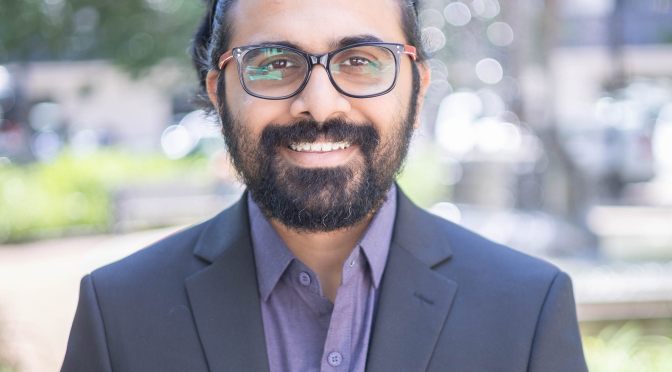
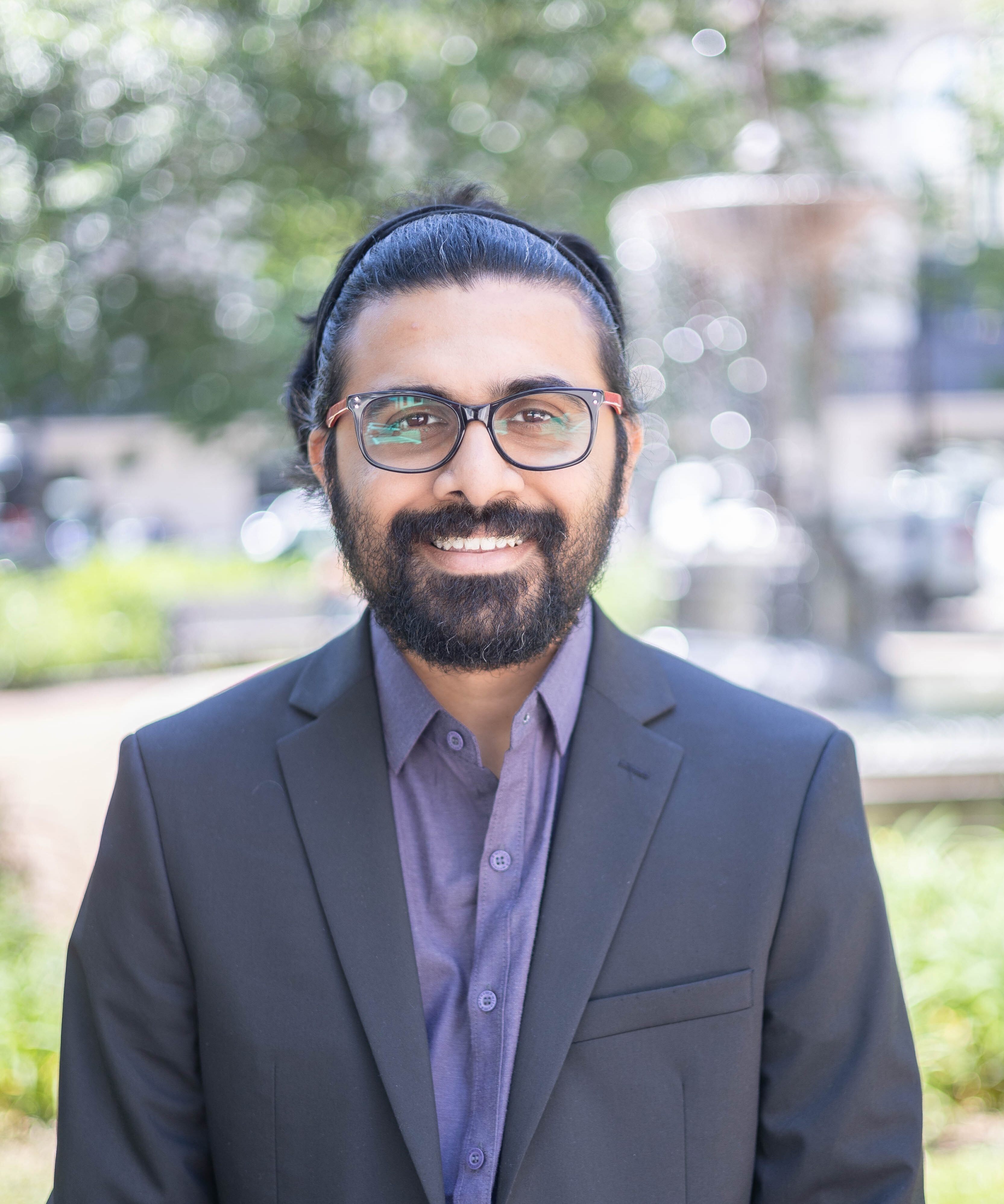
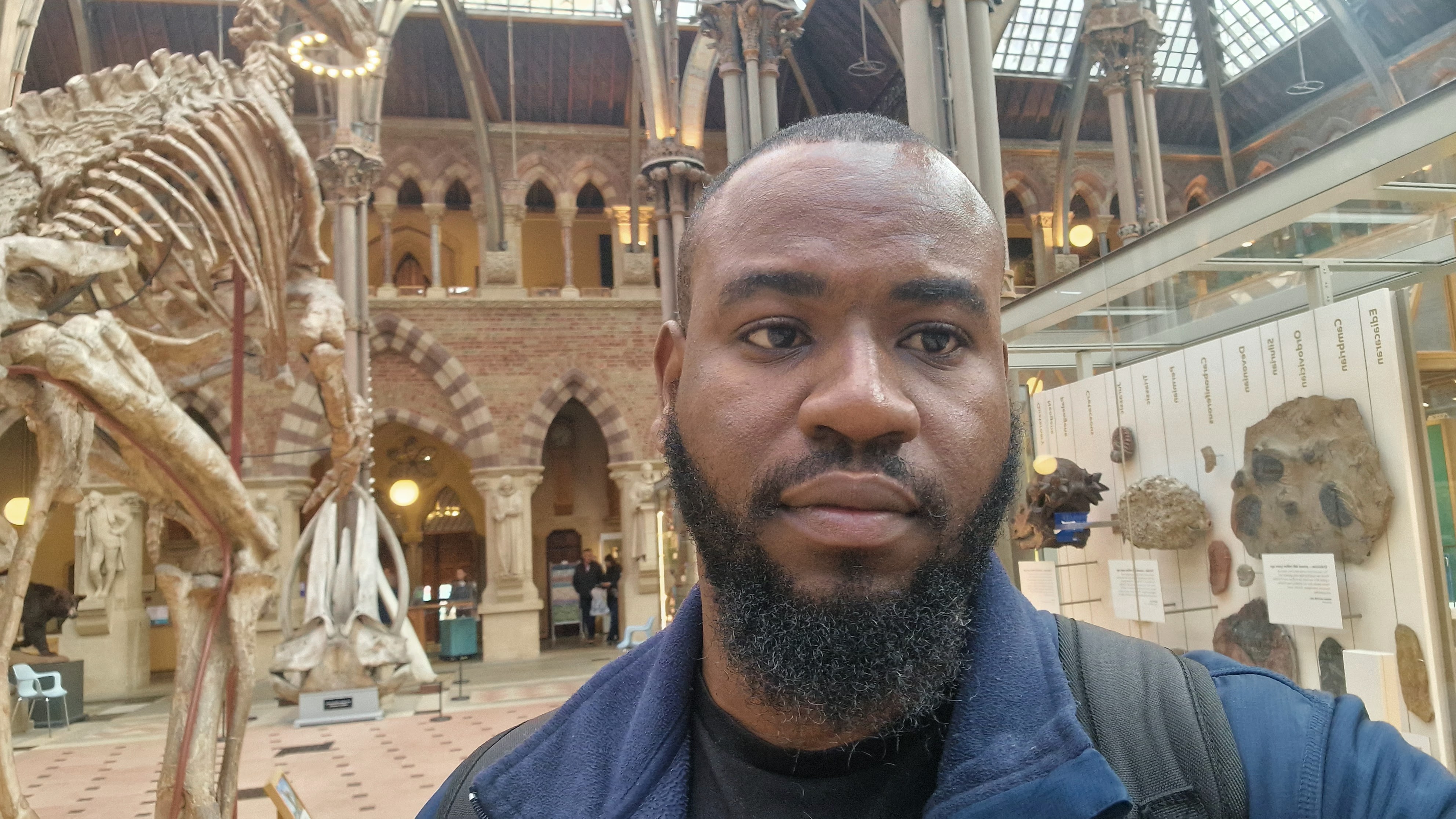
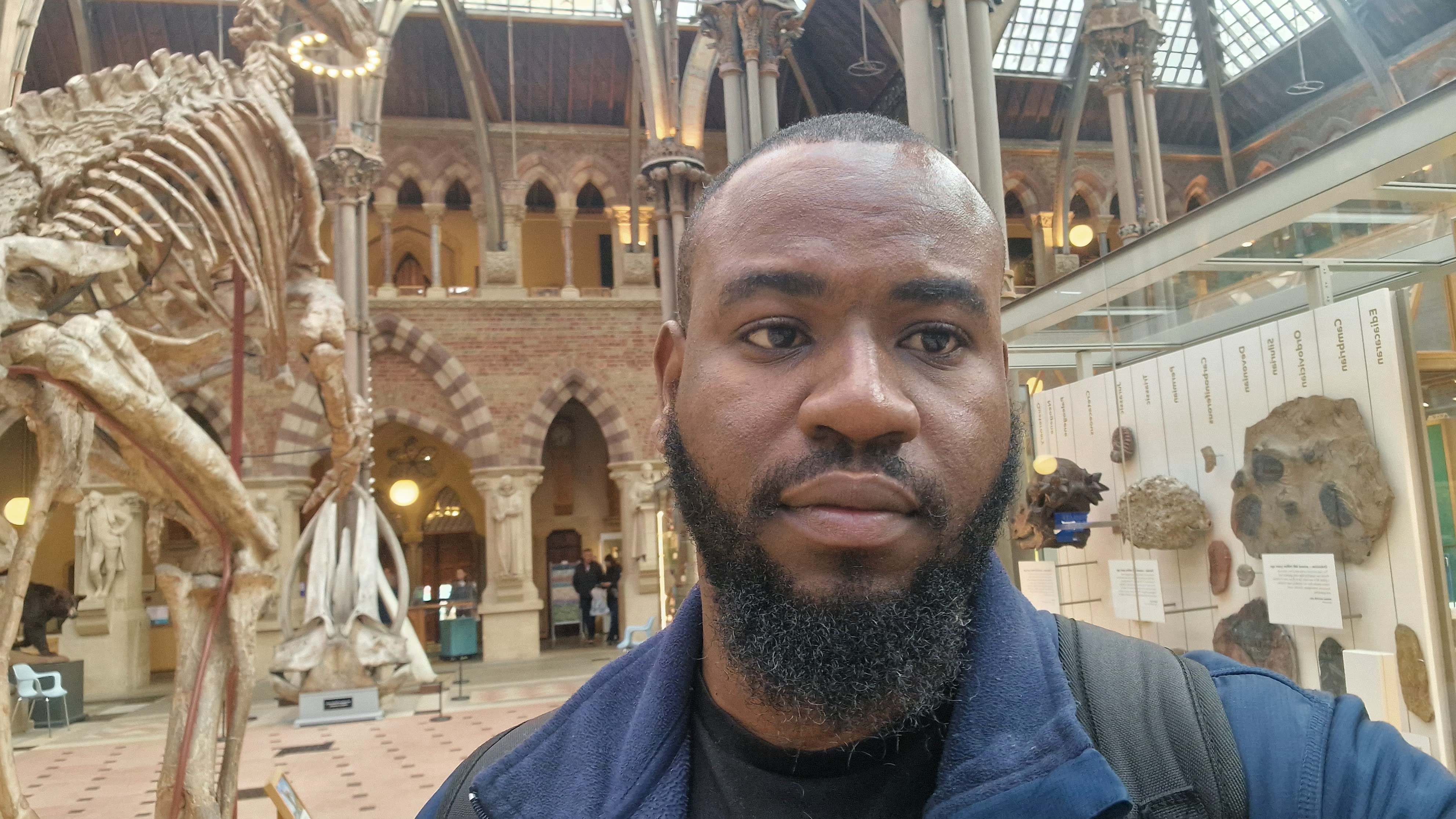
Name: Kameswara Bharadwaj Mantha (Senior AI/ML Research Scientist)
Location: University of Missouri-Kansas City
Zooniverse projects: Galaxy Zoo, Galaxy Zoo: Weird & Wonderful, Galaxy Zoo: Clump Scout, Cosmic Disco, MindMapper, many more probably 🙂
What is your research about?
My research is broadly about using AI, machine learning, and human-guided data analysis to make sense of large and complex scientific datasets across multiple fields. I have worked in areas ranging from astronomy and imaging-based science to biomedical and health-related research, and what connects all of these spaces is the same core challenge: we now generate far more data than any one person can carefully analyze alone. My work focuses on building ways for computational tools and human insight to work together so that we can identify meaningful patterns, unusual cases, and scientifically important signals more effectively.
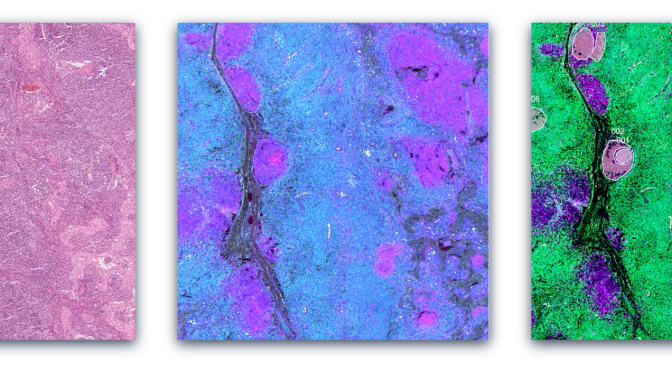
What excites me especially is that this idea translates naturally across disciplines. In one setting, it might involve helping classify or discover unusual structures in astronomical data, whereas in another, it might involve biomedical images, disease-related patterns, or genetic data that can inform better diagnostics or drug discovery. I am particularly enthusiastic about the biomedical side of this work because of its direct potential to improve how we understand disease and develop better treatments. For me, projects like these are exciting because they sit at the intersection of discovery, data, and impact. Such work allows us to use large-scale human participation and AI not only to handle complex datasets, but also to ask better scientific questions and discover previously unknown landscapes.
How do Zooniverse volunteers contribute to your research?
Zooniverse volunteers play a central role in my research because they help generate the kind of high-quality human insight that large scientific datasets often still need. In many of the problems I work on, whether in astronomy or other data-rich areas, there is simply too much information for a small research team to inspect carefully by hand. Volunteers help by identifying key patterns, classifying structures, flagging unusual cases, and, importantly, surfacing examples that may not fit neatly into existing categories. That is especially exciting to me because those “hard-to-describe” or unexpected cases are often where new science begins. Rather than thinking of volunteers as just helping label data, I see them as active contributors to discovery and to the design of better collaborative human-AI systems.
What makes Zooniverse particularly important in my work is that I am interested not only in the final scientific answer, but also in how humans and machines can learn from each other. Volunteers can help us build more reliable training datasets, evaluate where machine-learning models succeed or fail, and identify “unknown unknowns” that are cases where automated systems might miss because they fall outside the patterns the model has already learned. That question has been central to some of my published work, including research on how citizen science and machine learning can be combined for more effective identification of unknown or unusual structures in big data.
Through Zooniverse, I hope to answer both scientific and methodological questions. On the scientific side, the goal is to better characterize complex structures and rare phenomena in large datasets. On the methodological side, I want to understand how to efficiently use volunteer’s time with machine learning, how disagreement or uncertainty in classifications can itself become scientifically meaningful, and how citizen science can be used for genuine discovery. That broader theme runs across my work in Zooniverse-related collaborations, including citizen-science projects connected to galaxy morphology, unusual object identification, and human-in-the-loop AI systems.
What’s a surprising or fun fact about your research field?
A weird and wonderful part (pun intended!) of the domains I work in is that sometimes the most valuable data points are the ones that do not belong. We spend a lot of time building systems to classify things and putting them in pre-determined buckets. However, the discoveries often emerge out of the outliers: the object that looks wrong, the signal that breaks expectations, or the pattern no one thought to search for. In that sense, “mistakes,” surprises, and oddballs can end up being the most scientifically useful part of the dataset. I believe this notion transcends beyond astronomy into any domain; In fact this same philosophy led me down a path of scientific discovery in the core biomedical domain!
What first got you interested in research?
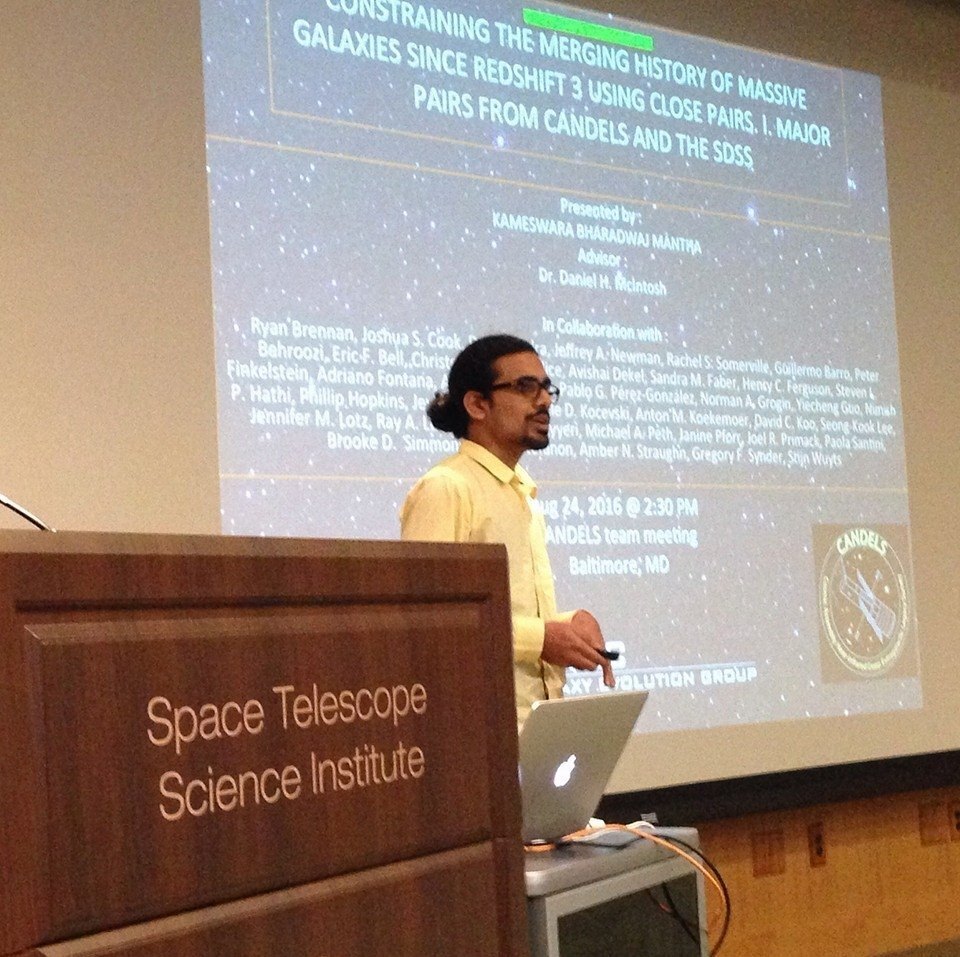
First, I wanted to become a medical doctor. Human body and its function fascinates me to this day. I carry with me a tinge of obsession for learning something new. As life took be down a different path, into pursuing engineering, I have been finding my way back into doing what I want for over a decade or so. That’s when I decided to pursue my graduate school in more fundamental science domains, such as Physics, and eventually in Astrophysics. My first research experience was in studying galaxies and their evolution. Astronomy made me realize the true breadth of knowledge and my place in the universe. It unlocked a new avenue in my learning and scientific research capabilities and I eagerly applied it to learning and contributing to biomedicine.
What’s something people might not expect about your job or daily routine?
My expertise and daily job related duties lies at the junction of Astrophysics, applied Artificial Intelligence & Machine Learning, and core biomedical clinical research. One potentially unexpected item that may come as a surprise is, how many times and how fast I have to switch gears from talking about distant galaxies, to microscopic cellular level genes, to aerospace optimizations, and to cybersecurity, often in back-to-back settings 🙂 … I love it though!
Outside of work, what do you enjoy doing?
Reading and collecting medical textbooks, listening to medical talks/test prep videos, hosting and creating podcasts, playing chess, planning road trips, cooking and experimenting with cuisine fusions, having philosophical discussions … and generally learning new things 🙂
What are your favourite citizen science projects?
Etch A Cell; Infection Inspection; Eyes on Eyes; Genome Detectives;
What guidance would you give to other researchers considering creating a citizen research project?
It is really important to double/triple check if the task is broken down into the the most intuitive and low cognitive burden way. Volunteers appreciate tasks that are to the point and can contribute meaningfully to the overall research goal. Next, communication with the volunteers is really important! Talk to your volunteers and engage with them!







 Zooniverse