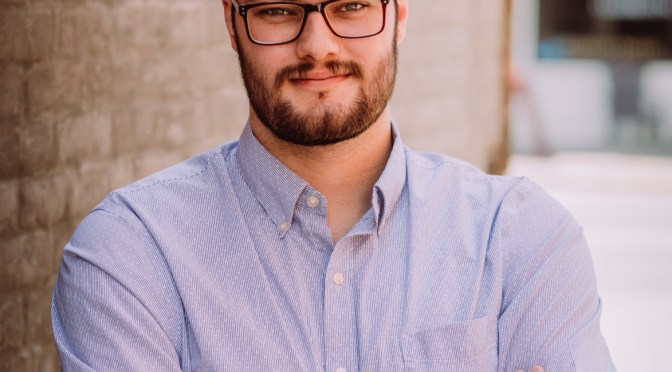
Meet Tom Donlon, a postdoctoral researcher at the University of Minnesota, who studies the Milky Way’s structure, evolution, and what it can tell us about dark matter. Tom shares why our Galaxy is wrinkly, what makes citizen science communities so powerful, and how Zooniverse volunteers are helping build a first-of-its-kind catalogue of shell galaxies.
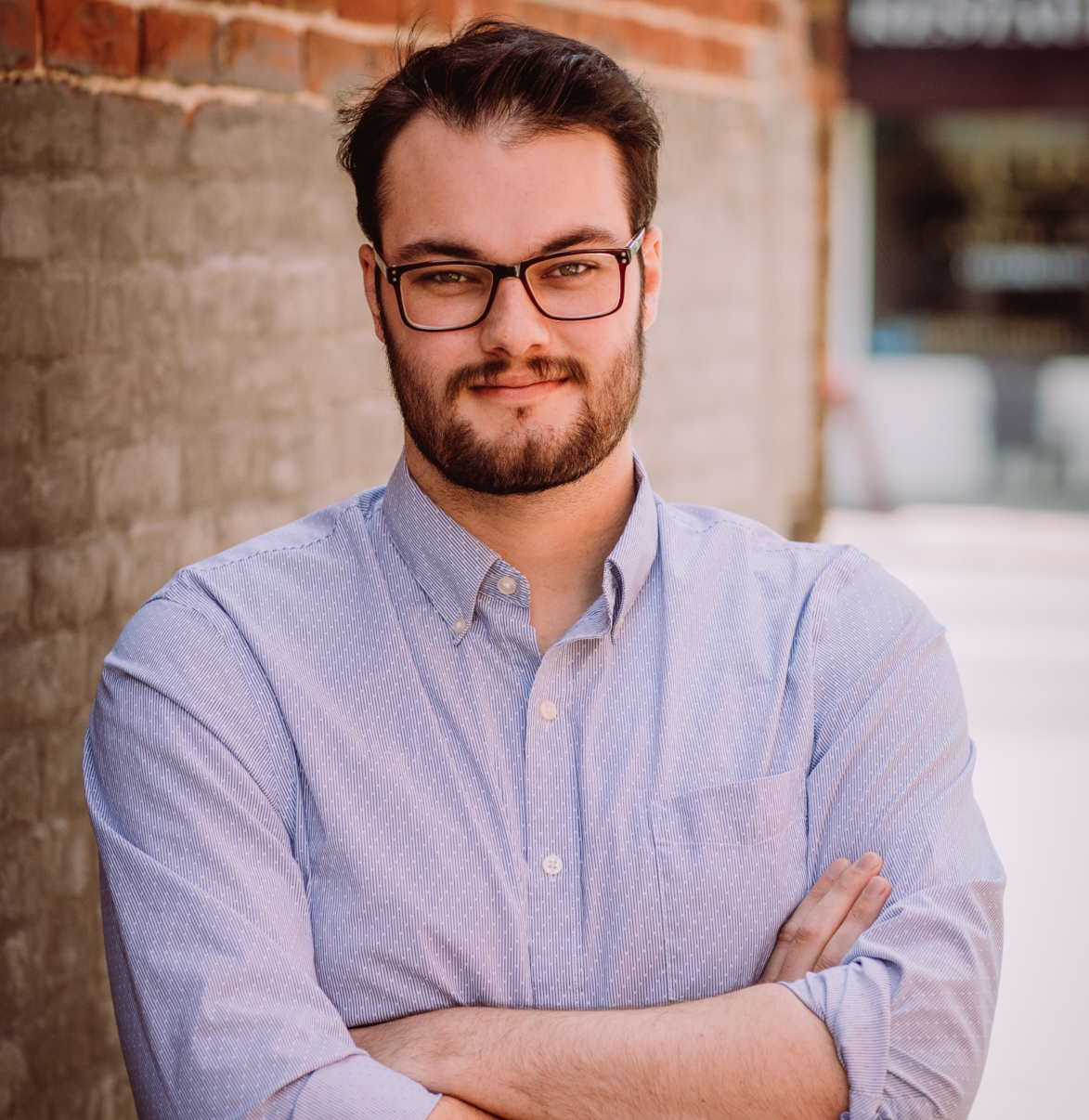
Name: Tom Donlon (Postdoctoral Researcher)
Location: University of Minnesota Twin Cities
Zooniverse projects: Galaxy Zoo: What the Shell?, Artifact InSPECtor, Clump Scout II
What is your research about?
My work mainly involves understanding the structure of the Milky Way, the galaxy where we live. I’m interested in how it grows, changes, and evolves, with the ultimate goal of learning whatever we can about the dark matter inside our Galaxy. This has led me to think about a pretty broad range of objects — old stars, pulsars, variable stars — and how we can use them in creative and interesting ways to learn about the makeup of the Milky Way. I’ve also spent time working on the chemical composition of our Galaxy, its dynamic structure like waves and wiggles, and shell galaxies.
How do Zooniverse volunteers contribute to your research?
Right now, I’ve been building a project with Galaxy Zoo called “What the Shell?”. This project is intended to build a first-of-its-kind catalog of shell galaxies across the Universe. This couldn’t be done without the Zooniverse volunteers!
I come from a history of citizen science work (I was a developer for MilkyWay@home as a PhD student), and I’ve always appreciated not only the work that the volunteers do, but the communities that they create. You get to meet a lot of interesting and entertaining people who are engaged by learning about the things around them. When these things don’t exactly line up with what I’m thinking about at the time, there’s a great opportunity to interact with something new, something that you might never have otherwise had the chance to discover.
What’s a surprising or fun fact about your research field?
The Milky Way is wrinkly! Check out a story we did on this here: https://www.esa.int/Science_Exploration/Space_Science/Gaia/Gaia_Milky_Way_s_last_major_collision_was_surprisingly_recent
What first got you interested in research?
I was a theater/music kid who sort of “accidentally” went to school for physics, and ended up falling in love with astronomy in my 2nd year of undergrad. I figure many of the same things that drive researchers everywhere apply to me too: I enjoy puzzle-solving, thinking about new things that no one else has ever thought about, and interacting with like-minded hard-working people. But astronomy as a field has stood out as a special factor in the human soul and psyche. People have been looking at stars ever since there have been people, trying to figure out what’s out there in the Great Beyond. Nothing else really seems to drive the wonder and awe for its own sake than astronomy does in people.
What’s something people might not expect about your job or daily routine?
I do all the cooking in our household — although that’s maybe not as rare as it would be a couple generations ago!
Outside of work, what do you enjoy doing?
I enjoy writing! You can check out my (currently wimpy, but ever-growing) blog here: https://thomasdonlon.space/writing.html. Tabletop games, video games, and movies are other things I enjoy. The Twin Cities have wonderful walking paths, which I’ve been taking advantage of lately. Football season is back upon us in the US, which is always a blast. I have three cats (dilute tortoiseshell, gray tuxedo, and orange), which keeps me busy. I grow vegetables and herbs whenever I have the space available. Mostly squeezing the most out of life possible!
What are your favourite citizen science projects?
MilkyWay@home holds a special place in my heart (https://milkyway.cs.rpi.edu/milkyway/), as well as the other BOINC projects (SETI@home, Einstein@home, etc.)
What guidance would you give to other researchers considering creating a citizen research project?
Volunteers are incredibly talented. You get a lot of leverage out of the wisdom of the crowd, and the people who will go above and beyond to contribute to the projects that they’re most interested in. Keep the soul and novelty in your project, and build the community by attracting the people who think that way, rather than trying to build your project for the “average” volunteer (whatever that means).

