

Highlights
The Vera C. Rubin Observatory is a powerful new facility high in the dry Chilean mountains. Today, on 23 June 2025, for the first time, it is releasing images from its Legacy Survey of Space and Time camera. At 3200 megapixels, this largest camera ever built will allow us to see the universe in a new way. And with Zooniverse, everyone can join and help with discoveries!
Read on to learn more.
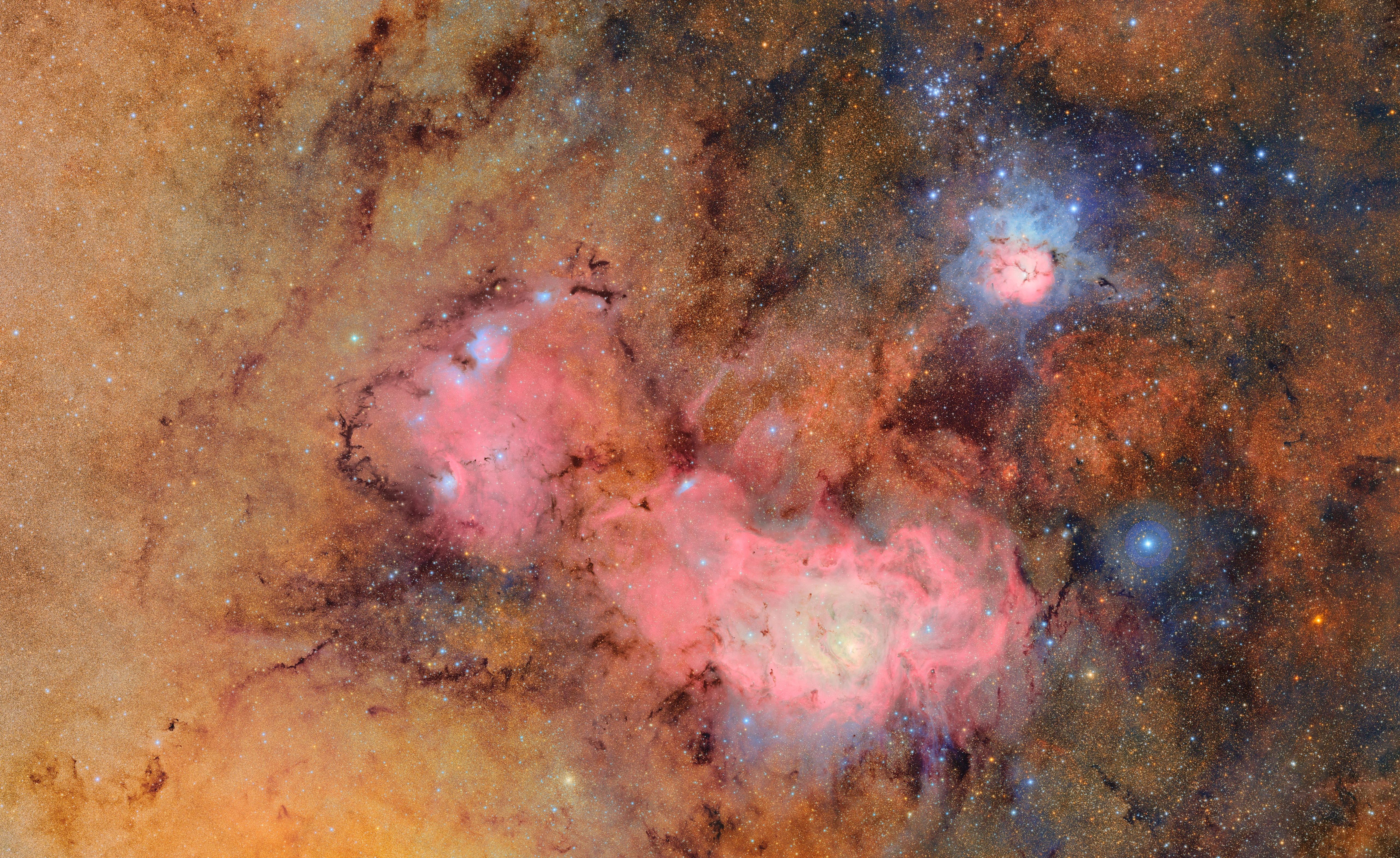
Image credit: NSF-DOE Vera C. Rubin Observatory
The “First Look”: The new way of viewing the sky
The first images from the NSF–DOE Vera C Rubin Observatory, our new eye on the sky based high in the Chilean desert, have been released today. The culmination of more than a decade of effort by a team of engineers and scientists, these glimpses of what this new instrument is capable of mark the start of a new way of viewing the sky – and Zooniverse will be a significant part of it. The Observatory’s Legacy Survey of Space and Time (LSST) will start soon, producing data at a scale that means the efforts of volunteers to sort through it and make discoveries will be invaluable.
The images featured in today’s ‘First look’ event were taken by the observatory’s mighty LSSTCam, the instrument which will be the observatory’s workhorse for the next decade and at 3200 megapixels the largest ever built, will manage. They provide a glimpse into the new survey’s ability to catch the changing sky, tracking millions of new asteroids and discovering thousands of supernovae, as well as more exotic and hopefully unexpected events.

Image credit: NSF-DOE Vera C. Rubin Observatory
Vera Rubin Observatory images on Zooniverse
These images are a significant milestone, and all of us at Zooniverse congratulate our partners in the international LSST collaboration on getting here. In the near future – hopefully in just a few days – scientists will get their hands on a first tranche of testing data and, because Zooniverse is a core part of their plans, we should expect to see the first citizen science projects launch shortly thereafter. Once the survey itself gets going later in the year, and when the first of the annual data releases happens next year, we should see a steady flow of Rubin data in Zooniverse projects old or new.
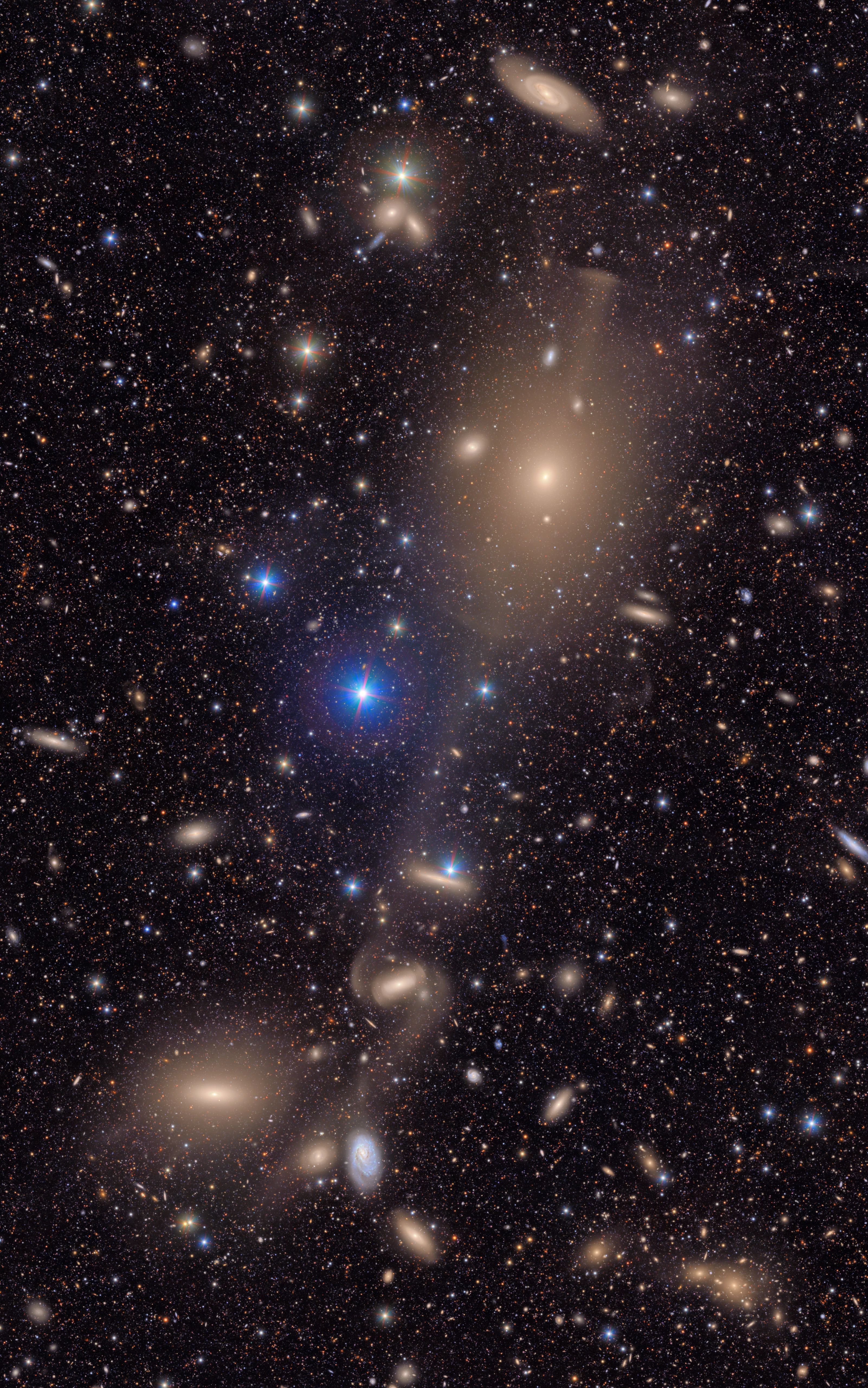
Image credit: NSF-DOE Vera C. Rubin Observatory
Be part of discovery
Whenever astronomers have found a new way of looking at the sky, and thereby opened up a new window on the Universe, we’ve been surprised. A survey of the whole sky, carried out with a telescope that’s the equal of any in the world, and with an immensely sophisticated camera and software pipeline to match, definitely counts. Join us in this first look at the Rubin Observatory sky – and then hang on. We’re all on what looks set to be a fantastic, decade long voyage of discovery.
Find your project on Zooniverse: https://www.zooniverse.org/projects
Learn more about us and stay in touch: https://linktr.ee/the.zooniverse
 Zooniverse