
In this edition of Who’s who in the Zoo, meet Hillary, a member of our team who is involved in our work exploring the ethics of machine learning in public-engaged research.
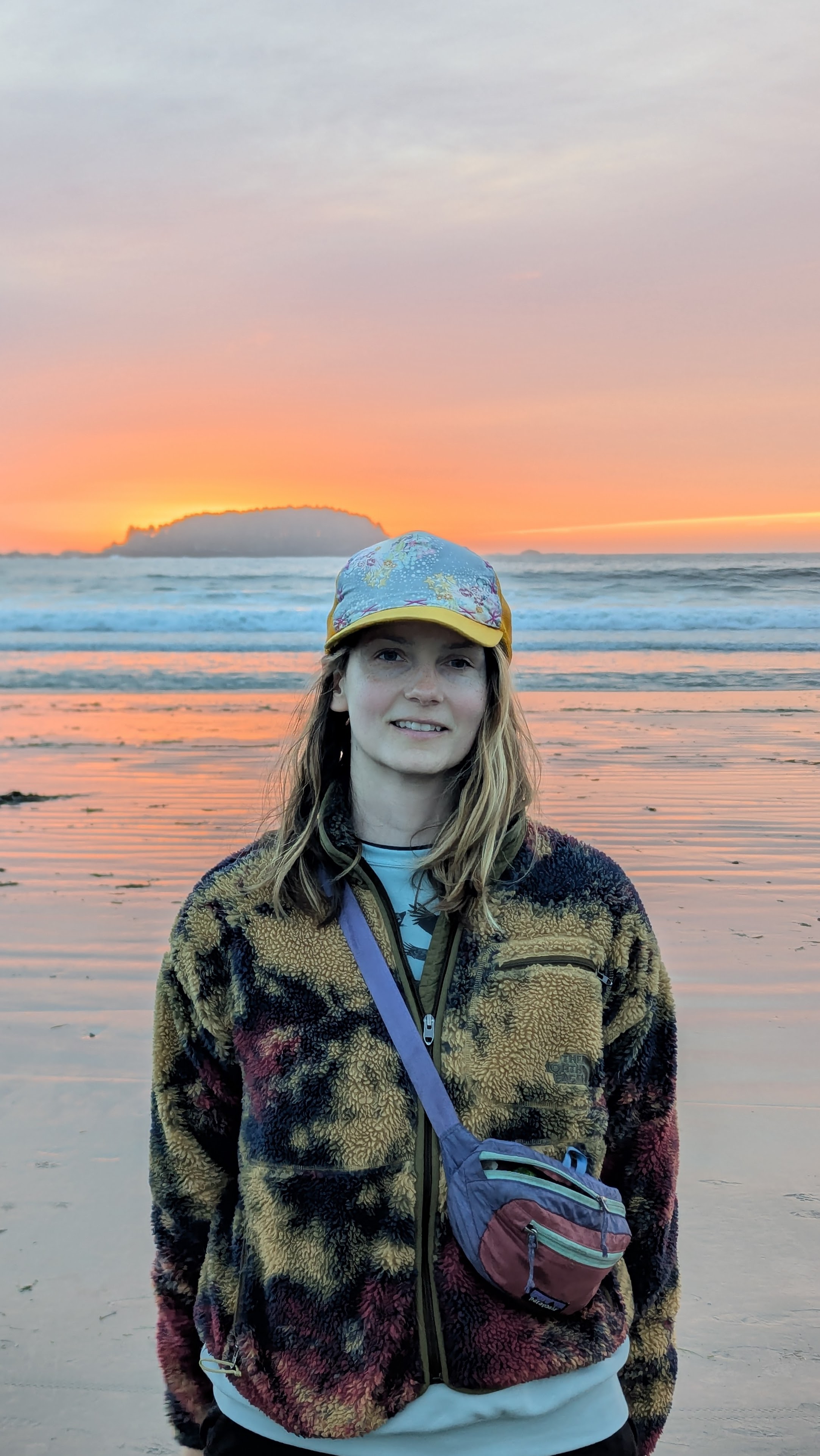
Who: Hillary Burgess
Zooniverse project: Ethical Considerations for Machine Learning in Public-Engaged Research
What is your research about?
I am a longtime enthusiast of participatory science. This enthusiasm has led me to wear many different hats in this space – from project designer and lead, to volunteer, to researcher studying theory and practice of public engaged science. I’m currently supporting an effort to develop recommendations for running AI-engaged projects on the Zooniverse platform. As A.I., particularly machine learning, becomes more prevalent as a research tool and in other aspects of society, there is a mix of worry and excitement among the Zooniverse community. The recommendations will be responsive to the interests and concerns raised by Zooniverse stakeholders and will integrate best practices and learnings from the broader community. This involves engaging with experts in communications and ethical use of technology, Zooniverse leadership, and Zooniverse volunteers.
How do Zooniverse volunteers contribute to your research?
Zooniverse volunteers are the reason for Zooniverse. We want to hear from as many volunteers as possible, so we can move forward in a way that reflects the diverse experiences and perspectives of this community. In fact, this initiative was born out of concerns about the use of A.I. on the Zooniverse platform. The funding Zooniverse received from the Kavli Foundation allows us to convene a series of four workshops to hear from a variety of stakeholders, including a few volunteers. But because the capacity for those workshops is small and not everyone wants to engage in a workshop format, we’re also sending out four short surveys for volunteers. Survey responses are feeding directly into our planning, and will be a key inspiration for the final recommendations for A.I. engaged projects on the Zooniverse platform. We need input every step of the way. Volunteers are also invited to share their perspective on Talk. We have had a phenomenal response to the first two surveys from over 1000 volunteers. Some of the questions are open-ended and I am fascinated and inspired by the diversity of opinion in these responses! Some people are really excited by the thought that they could contribute to machine learning, and a higher pace of progress toward research outcomes they care about. Others are deeply concerned about the potential for data quality issues and the environmental impacts associated with energy demand from running big models. Some express both, and all are valid and important to hear as we navigate this new frontier. As a relative newcomer to the Zooniverse community, reading the replies have given me many AHA! moments about what motivates people to participate in Zooniverse projects, and enormous appreciation for the passion and expertise among volunteers.
What’s a surprising or fun fact about your research field?
As a graduate student I worked with volunteers to study pollinator use of home gardens. After our training one of the volunteers discovered a bumblebee in her garden that was thought to be extinct.
What first got you interested in research?
I have always been a curious person who enjoys discovering patterns and connections and diving deep into topics that interest me. Around the age of 10, my teachers nominated me to attend a regional “women in science” day. I was one of just two students who got to go from my school and hear from career scientists. I came home with so much excitement about what felt like the adventure of science.
What’s something people might not expect about your job or daily routine?
I work from home and my two cats (Bubs and Little One), and dog (Mango), are constantly interrupting whatever I am doing with requests to play, eat, go to the bathroom, or sit on my lap.
Outside of work, what do you enjoy doing?
Outside of work I love spending time either at sea level on the coast – tidepooling, beach walking etc. or up high hiking in the alpine zone of the Cascade mountains. I love learning and trying new things, and dabble a number of creative outlets from pottery and gardening to DIY house projects. Lately I have also gotten into weightlifting, and sometimes playing cooperative video games.
What are you favourite citizen science projects?
I first got hooked on Zooniverse through Snapshot Serengeti and AmazonCam Tambopata. Participating in the latter actually inspired a trip to Tambopata with my family in 2017. I also have strong tides to rigorous hands on outdoor projects like the University of Washington’s Coastal Observation and Seabird Survey Team (COASST) and the U.S. National Oceanic and Atmospheric Administration’s Marine Debris Monitoring and Assessment Project (MDMAP).
What guidance would you give to other researchers considering creating a citizen research project?
Don’t assume that your best volunteer audience thinks like or is motivated by the same things as you. Design for your intended data use and commit to a return on volunteers’ investment. Get feedback early and often.
 Zooniverse